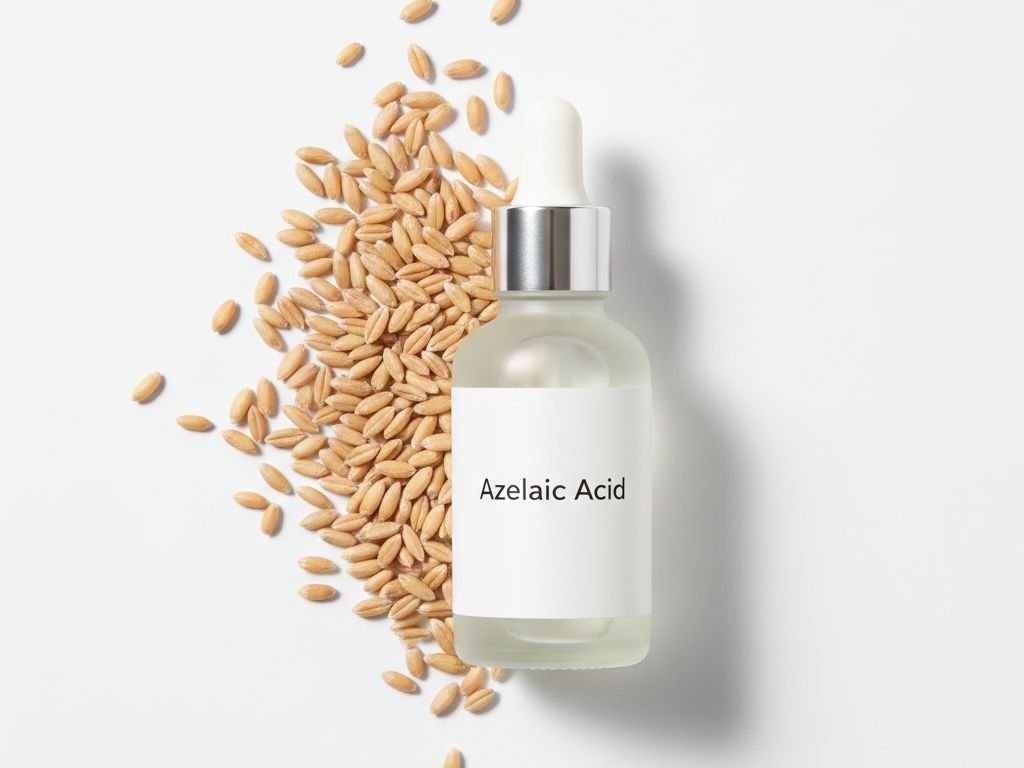
In skincare, every ingredient has a story; where it comes from, why it’s used, and what role it plays in improving skin health. Azelaic acid is no exception.
In this complete guide, we’ll explore what azelaic acid is, how it works, its proven benefits, and how to use it safely, along with the best ingredient combinations to maximize results without irritation.
What is Azelaic Acid?
Azelaic acid is a naturally occurring saturated dicarboxylic acid that is found in grains such as wheat, rye, and barley. It is also produced by a yeast called Malassezia furfur, which is a normal part of the skin’s microbiome. While it is a naturally occurring substance and used in skincare products is typically synthesized in a lab to ensure purity and consistency.
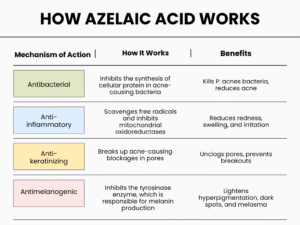
The Science Behind Azelaic Acid: How It Works
The effectiveness of azelaic acid is due to its unique mechanism of action. It works on multiple levels to improve the health and appearance of the skin.
The Proven Benefits of Azelaic Acid
Numerous scientific studies have confirmed the efficacy of azelaic acid in treating a wide range of skin concerns. A systematic review of 43 randomized controlled trials (RCTs) found that azelaic acid is more effective than a placebo for treating acne, rosacea, and melasma.
Here are some of the key benefits:
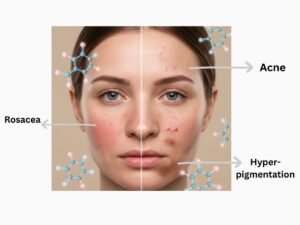
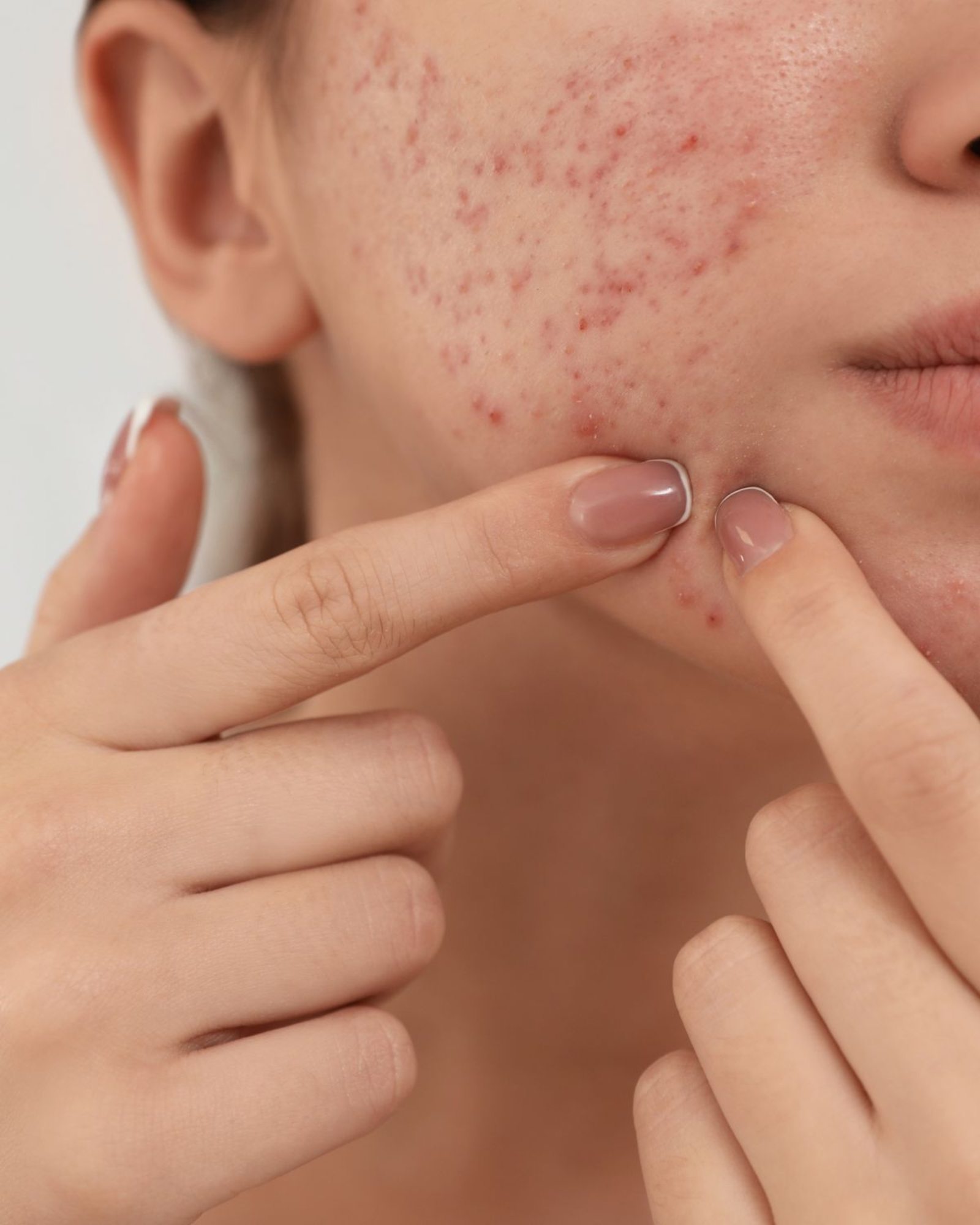
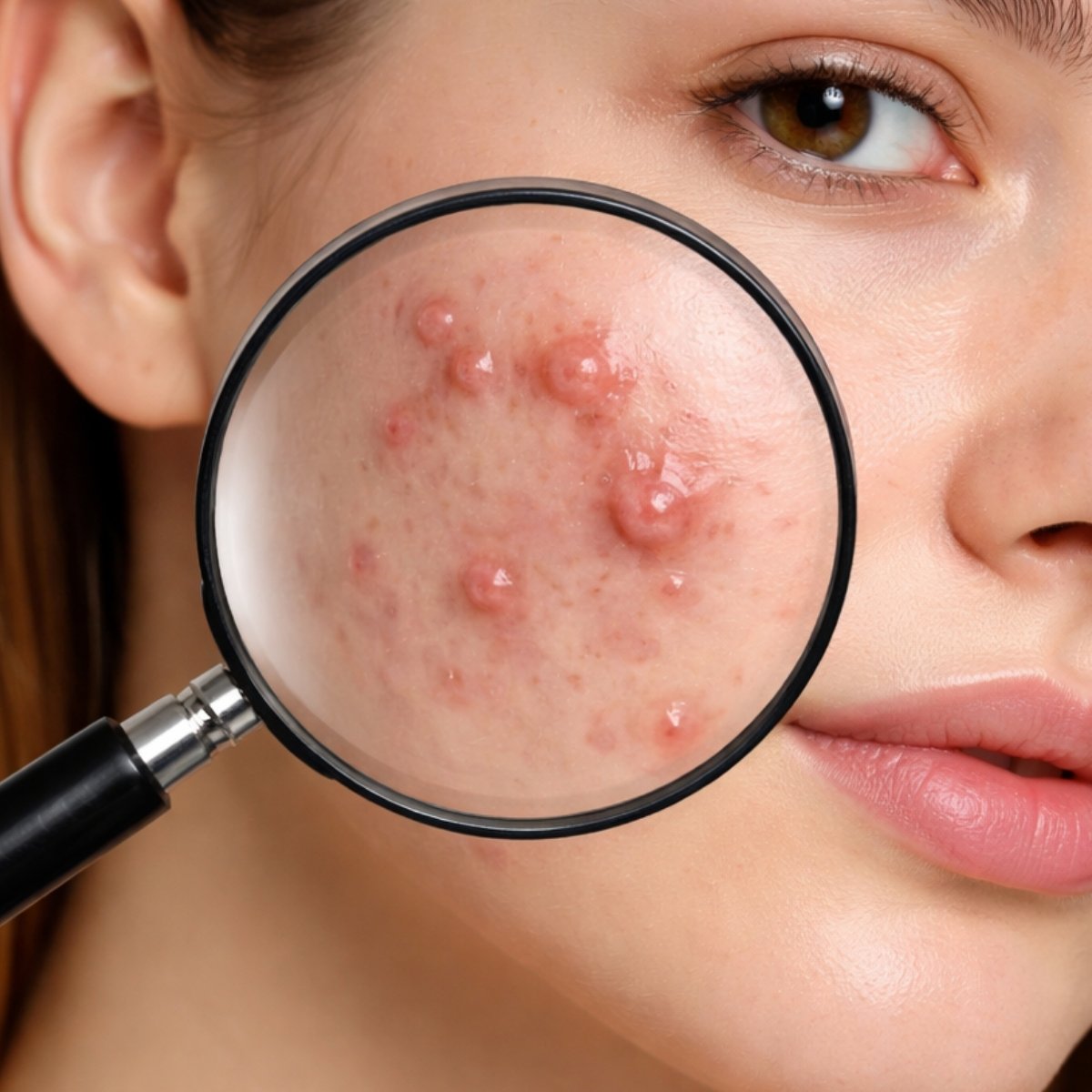
• Acne Treatment: Azelaic acid is highly effective for treating mild to moderate acne. It kills the bacteria that cause acne, unclogs pores, and reduces inflammation. Studies have shown that it is as effective as other common acne treatments like erythromycin and benzoyl peroxide.
• Rosacea Management: Azelaic acid is a first-line treatment for rosacea. It helps to reduce the redness, inflammation, and bumps associated with this condition. Clinical studies have shown that it is more effective than metronidazole, a commonly prescribed rosacea treatment.
• Hyperpigmentation and Dark Spots: Azelaic acid is a powerful ingredient for lightening hyperpigmentation, dark spots, and melasma. It works by inhibiting the tyrosinase enzyme, which is responsible for producing melanin. Studies have shown that it is more effective than hydroquinone, a popular skin-lightening ingredient.
How to Use Azelaic Acid: A Step-by-Step Guide
Using azelaic acid correctly is essential for achieving the best results and minimizing the risk of side effects. Here is a step-by-step guide on how to incorporate azelaic acid into your skincare routine:
- Start Slowly: If you have sensitive skin or a condition like rosacea or perioral dermatitis, start by using azelaic acid on alternate days. This will give your skin time to adjust to the ingredient.
- Apply to Clean Skin: Apply it to clean, dry skin. You can apply it in the morning and/or evening, depending on your preference and the instructions on the product label.
- Use the Right Amount: Use a pea-sized amount for your entire face. You don’t need to use a lot of product to see results.
- Apply Gently: Apply the product gently to your skin using your fingertips. You can use a dotting method, where you put dots of product all over your face and then pat it into the skin.
- Let it Dry: Allow the azelaic acid to dry completely before applying any other products.
- Follow with Moisturizer: Always follow with a moisturizer to keep your skin hydrated and prevent dryness.
Azelaic Acid Combinations: What to Use and What to Avoid
Safe Combinations:
- Vitamin C: Azelaic acid and vitamin C are a powerful combination for treating hyperpigmentation and dark spots. Both ingredients work to lighten the skin, and they are well-tolerated when used together .
- Niacinamide: Niacinamide is a gentle ingredient that can be used with azelaic acid to improve skin texture, reduce inflammation, and brighten the skin. The two ingredients are compatible and can even be found in products that contain both .
- Retinol: Azelaic acid can be used with retinol, but it is important to introduce them slowly and use them on alternate nights to avoid irritation. Both ingredients are exfoliants, so using them together can be too harsh for some skin types.
- Tretinoin: Similar to retinol, azelaic acid can be used with tretinoin, but it is best to use them on alternate nights or consult with a dermatologist for personalized advice.
Ingredients to Use with Caution:
- Salicylic Acid: While azelaic acid can be used with salicylic acid, both are exfoliants and can be drying. It is best to use them on alternate days or in the morning and evening.
- Benzoyl Peroxide: Azelaic acid can be used with benzoyl peroxide, but it is important to note that benzoyl peroxide can bleach fabrics. It is best to apply azelaic acid first, let it dry, and then apply benzoyl peroxide.
Is It Pregnancy Safe?
One of the biggest advantages of azelaic acid is that it is considered safe to use during pregnancy and breastfeeding. It is classified as a Pregnancy Category B drug by the FDA, which means that animal studies have not shown any risk to the fetus, and there are no well-controlled studies in pregnant women.
Azelaic Acid: How Long Does It Take to Work?
- Purging: Some people may experience a purging phase when they first start using azelaic acid. This is a temporary increase in breakouts as the product brings deeper clogs to the surface. Purging typically lasts for 4-6 weeks .
- Initial Results: You may start to see some initial results, such as a reduction in redness and inflammation, within the first 4-6 weeks of use.
- Visible Results: Most people start to see visible results, such as a reduction in acne and an improvement in skin texture, within 4-6 weeks .
- Significant Results: For more significant results, such as a reduction in hyperpigmentation and dark spots, it may take 8-12 weeks of consistent use .
Azelaic Acid Side Effects: What to Expect
• Dryness, itching, peeling, or redness of the skin
The Bottom Line: Is Azelaic Acid Worth It?
Azelaic acid is a versatile, effective, and safe ingredient that can be a valuable addition to any skincare routine. It is a great option for people with acne, rosacea, hyperpigmentation, and other skin concerns. It is also a safe choice for pregnant and breastfeeding women.