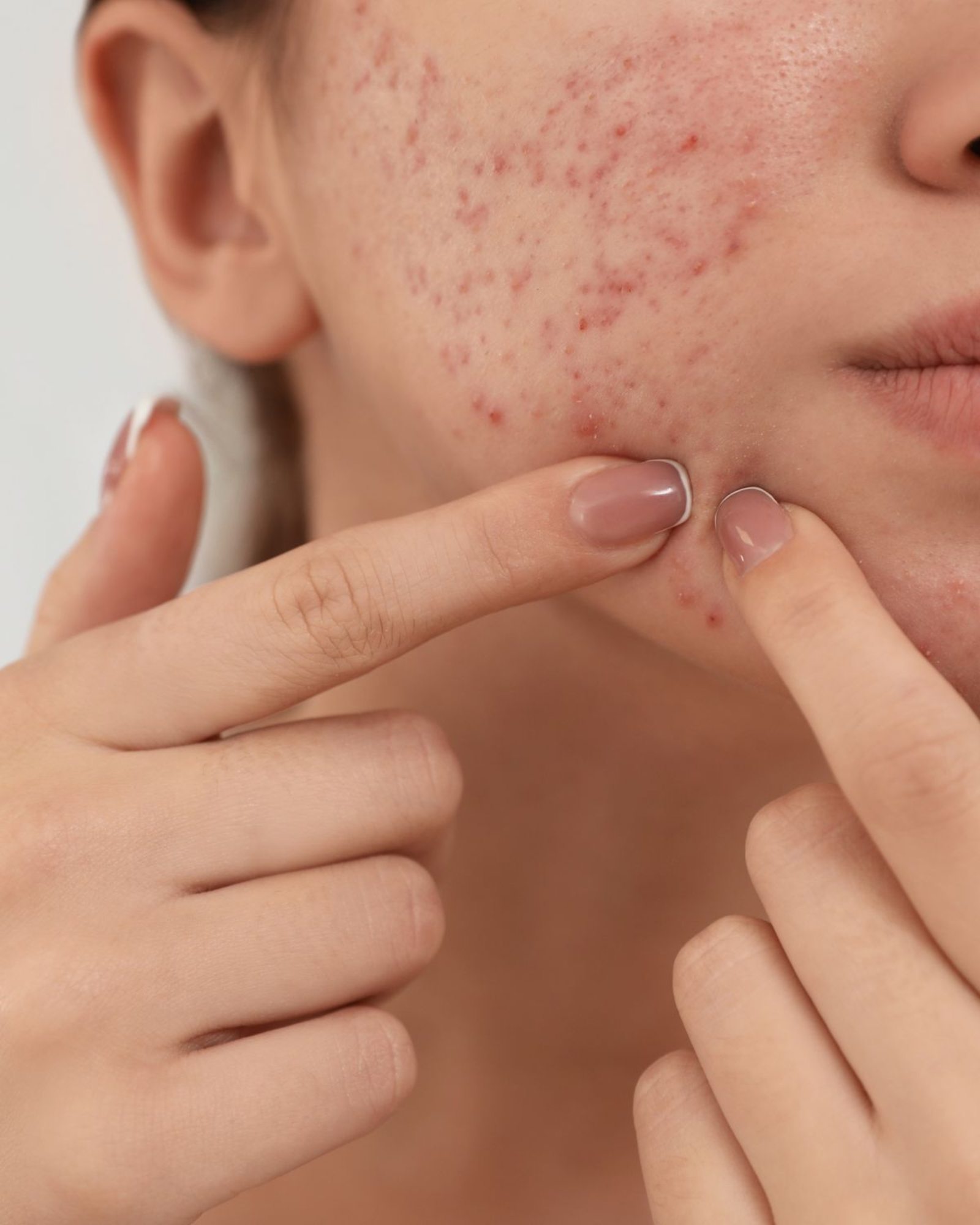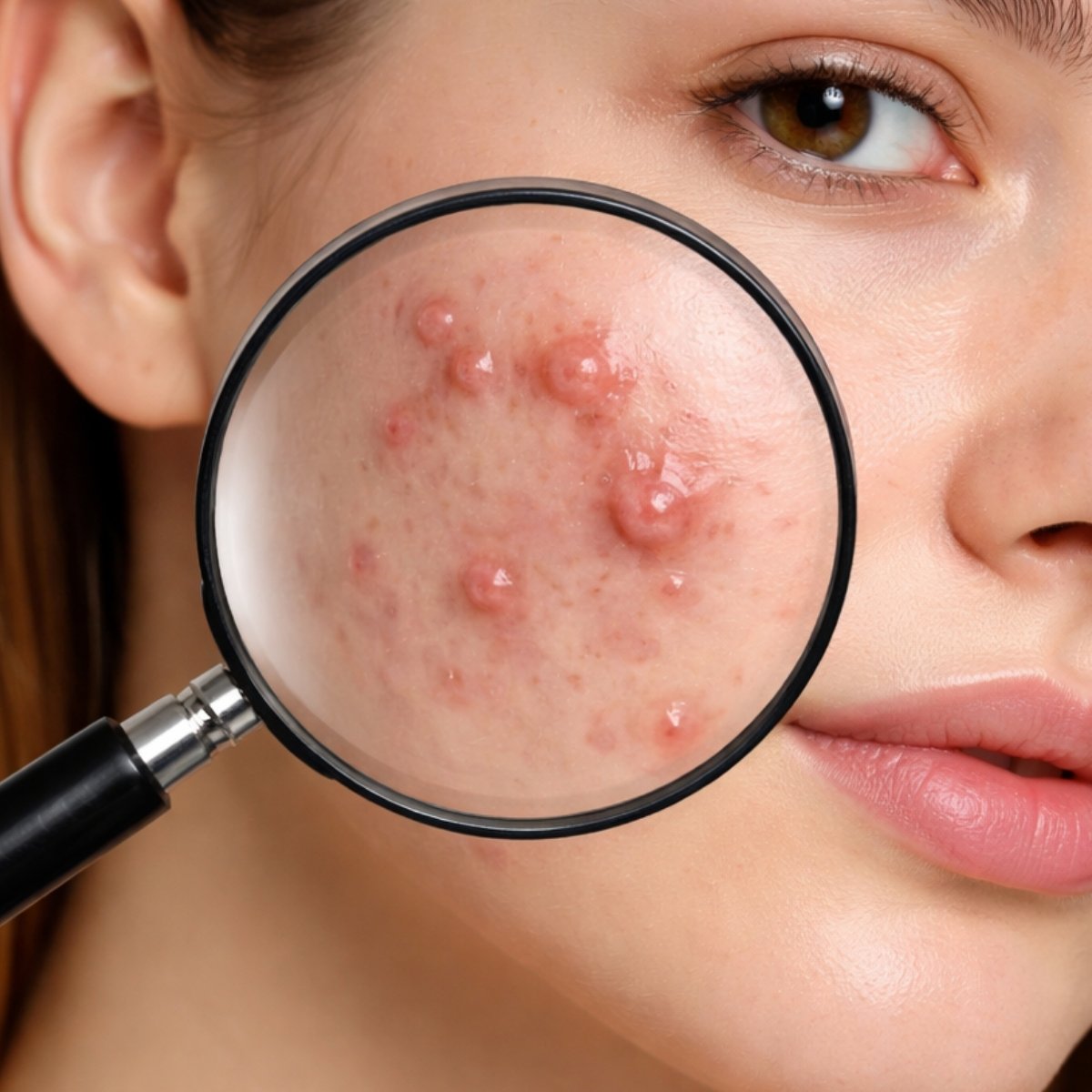
Hormonal acne is one of the most common yet misunderstood types of acne. Many people notice painful breakouts around the chin or jawline and assume it’s caused by poor skincare or diet. In reality, hormonal acne often starts inside the body.
Hormones regulate many processes in the skin, including oil production. When certain hormones fluctuate or increase, they can stimulate the skin’s oil glands and trigger breakouts.
If you want to understand hormonal acne more deeply including how it looks and how it differs from other acne types — read our guide on [what hormonal acne is and how to identify it].
In this article, we will focus specifically on the causes of hormonal acne and explain the biological reasons behind these breakouts.
How Hormones Affect Acne
To understand the causes of hormonal acne, it helps to first understand how hormones affect the skin.
The skin contains sebaceous glands that produce sebum, a natural oil that protects and moisturizes the skin.
Certain hormones especially androgens increase sebum production. When excess oil mixes with dead skin cells, pores become clogged. This environment allows acne-causing bacteria to grow and inflammation to develop.
The result is acne.
Hormonal acne typically appears as:
-
Deep inflamed pimples
-
Painful cysts or nodules
-
Breakouts along the jawline and chin
-
Recurring flare-ups at specific times
Now let’s look at the main triggers.
1. Androgen Hormone Fluctuations
The most important cause of hormonal acne is an increase in androgens, a group of hormones that includes testosterone.
Both men and women produce androgens, but when these hormones rise, they stimulate sebaceous glands to produce more oil.
This excess oil:
-
clogs pores
-
promotes bacterial growth
-
triggers inflammation
The combination leads to acne lesions.
This is why hormonal acne often appears during life stages where androgen levels change.
2. Menstrual Cycle Hormone Changes
One of the most common causes of hormonal acne in women is the menstrual cycle.
In the days before menstruation, estrogen levels decrease while androgen activity becomes relatively higher. This hormonal shift stimulates oil production.
As a result, many women experience breakouts:
-
about 7–10 days before their period
-
mostly on the chin and jawline
-
often as deep inflamed pimples
These cyclical breakouts are a classic sign of hormonal acne.
3. Polycystic Ovary Syndrome (PCOS)
PCOS is a hormonal condition that affects many women of reproductive age.
In PCOS, the body produces higher levels of androgens, which can overstimulate oil glands and lead to persistent acne.
Common signs of PCOS-related acne include:
-
severe or persistent jawline acne
-
oily skin
-
irregular periods
-
excess facial hair
-
acne that does not respond to basic treatments
For many women, hormonal acne may be one of the first visible signs of hormonal imbalance related to PCOS.
4. Puberty
Puberty is another major cause of hormonal acne.
During adolescence, the body experiences rapid hormonal changes, particularly increases in androgens. These hormones enlarge sebaceous glands and dramatically increase oil production.
Because of this, teenagers often develop:
-
oily skin
-
clogged pores
-
inflammatory acne
Puberty-related acne usually appears in the T-zone (forehead, nose, and chin).
5. Pregnancy and Postpartum Hormones
Hormone levels change significantly during pregnancy and after childbirth.
Some women experience improved skin during pregnancy, while others develop acne due to increased oil production.
After delivery, hormone levels shift again, which may trigger postpartum breakouts.
These fluctuations can temporarily disrupt the skin’s balance and contribute to hormonal acne.
6. Stopping Birth Control Pills
Hormonal contraceptives regulate hormone levels and can reduce acne for many people.
However, when birth control pills are stopped, hormone levels may temporarily fluctuate. This can lead to increased androgen activity and a sudden return of acne.
This phenomenon is often referred to as post-pill acne.
7. Stress and Cortisol
Stress can also contribute to hormonal acne.
When the body experiences stress, it releases cortisol, often called the stress hormone.
Elevated cortisol levels can indirectly stimulate oil production and worsen inflammation in the skin. Stress may not be the primary cause of hormonal acne, but it can worsen existing breakouts.
Many people notice flare-ups during periods of:
-
sleep deprivation
-
emotional stress
-
heavy workload
-
illness
8. Genetics
Genetics can play a role in hormonal acne.
If your parents had severe or persistent acne, your skin may also be more sensitive to hormonal changes.
Genetic factors can influence:
-
how much oil your skin produces
-
how easily pores clog
-
how strongly the skin reacts to bacteria and inflammation
Because of this, some people are naturally more prone to hormonal acne.
9. Certain Medications
Some medications can influence hormone levels and trigger acne.
Examples include:
-
steroid medications
-
testosterone therapy
-
certain hormonal treatments
These medications can increase androgen activity and stimulate oil glands, leading to acne breakouts.
Signs Your Acne May Be Hormonal
Hormonal acne often shows specific patterns.
Common signs include:
-
breakouts around the chin and jawline
-
deep, painful pimples or cysts
-
acne that flares before menstruation
-
acne that continues into adulthood
-
breakouts that appear in the same area repeatedly
If you notice these patterns, hormones may be contributing to your acne.
Why Understanding the Cause Matters
Understanding the causes of hormonal acne is important because treatment approaches may differ from other acne types.
Topical skincare products alone may not fully address acne that is driven by internal hormonal changes.
For persistent or severe hormonal acne, medical evaluation may be helpful to identify underlying triggers such as hormonal imbalance or PCOS.
Final Thoughts
Hormonal acne occurs when hormone fluctuations increase oil production in the skin, leading to clogged pores, bacterial growth, and inflammation. The most common causes include androgen fluctuations, menstrual cycle changes, PCOS, puberty, pregnancy, stress, genetics, and certain medications. Because hormonal acne often originates from internal hormone activity, understanding the root cause is an important step toward managing breakouts effectively.