Cystic acne is one of the most severe and painful types of acne.
Unlike small pimples, cystic acne forms deep under the skin. It feels large, swollen, and often very painful. Many people panic when they suddenly develop it because it looks serious and can leave scars.
In this guide, you will learn:
-
What cystic acne really is
-
What causes it
-
Why it suddenly appears
-
How to treat it safely
-
Whether it leaves scars
-
When to see a doctor
Let’s start from the basics.
What Is Cystic Acne?
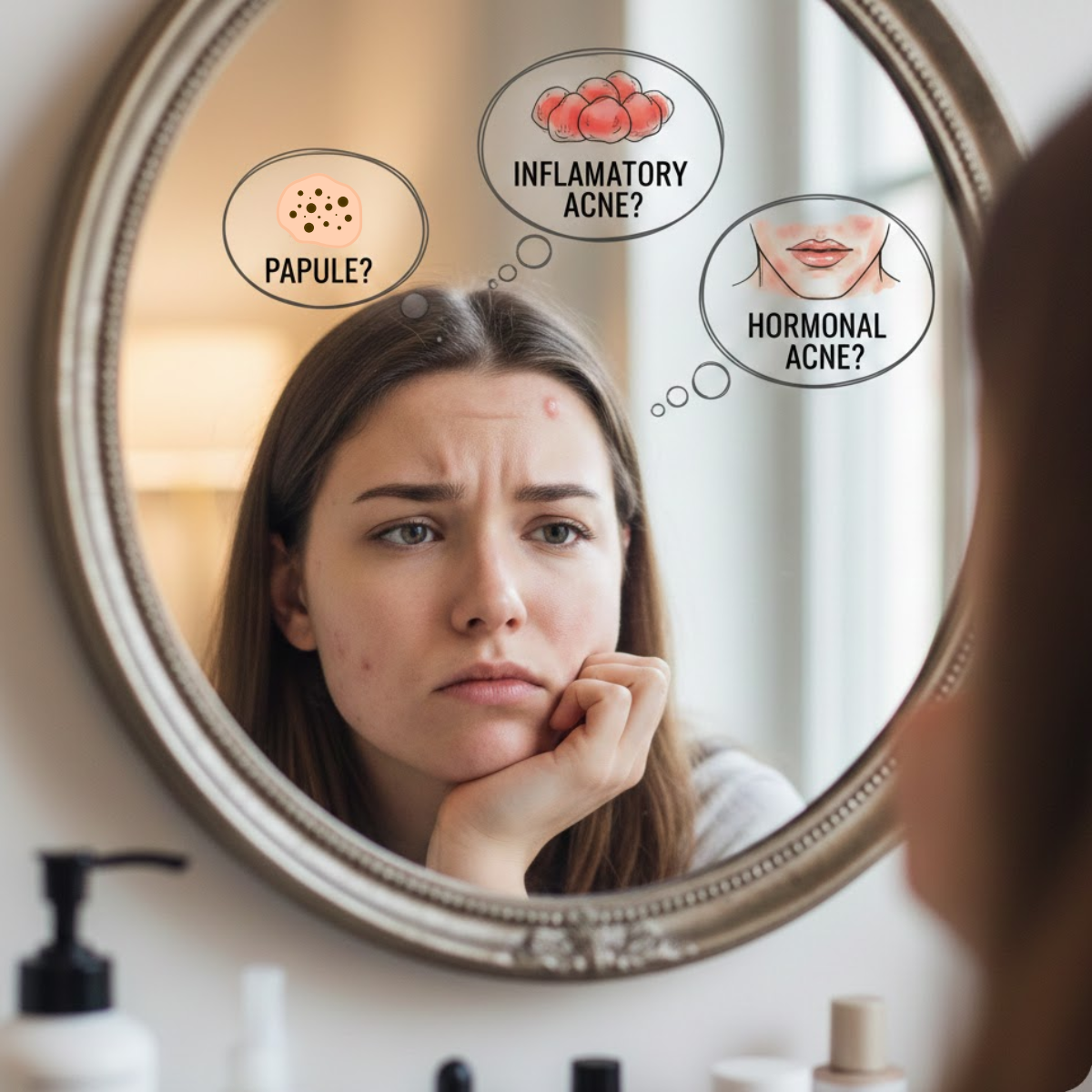
Cystic acne is a severe form of inflammatory acne.
It happens when pores become deeply clogged with oil, dead skin cells, and bacteria. The infection spreads deep into the skin, causing large, painful lumps filled with pus.
Medical term: Nodulocystic acne
Unlike blackheads or whiteheads, cystic acne:
-
Forms deep under the skin
-
Feels soft or firm
-
Is painful to touch
-
Often does not come to a head
-
Takes longer to heal
It is considered Stage 4 acne, which is the most severe type.
What Causes Cystic Acne?
Cystic acne does not happen randomly. There is always a trigger.
Here are the main causes:
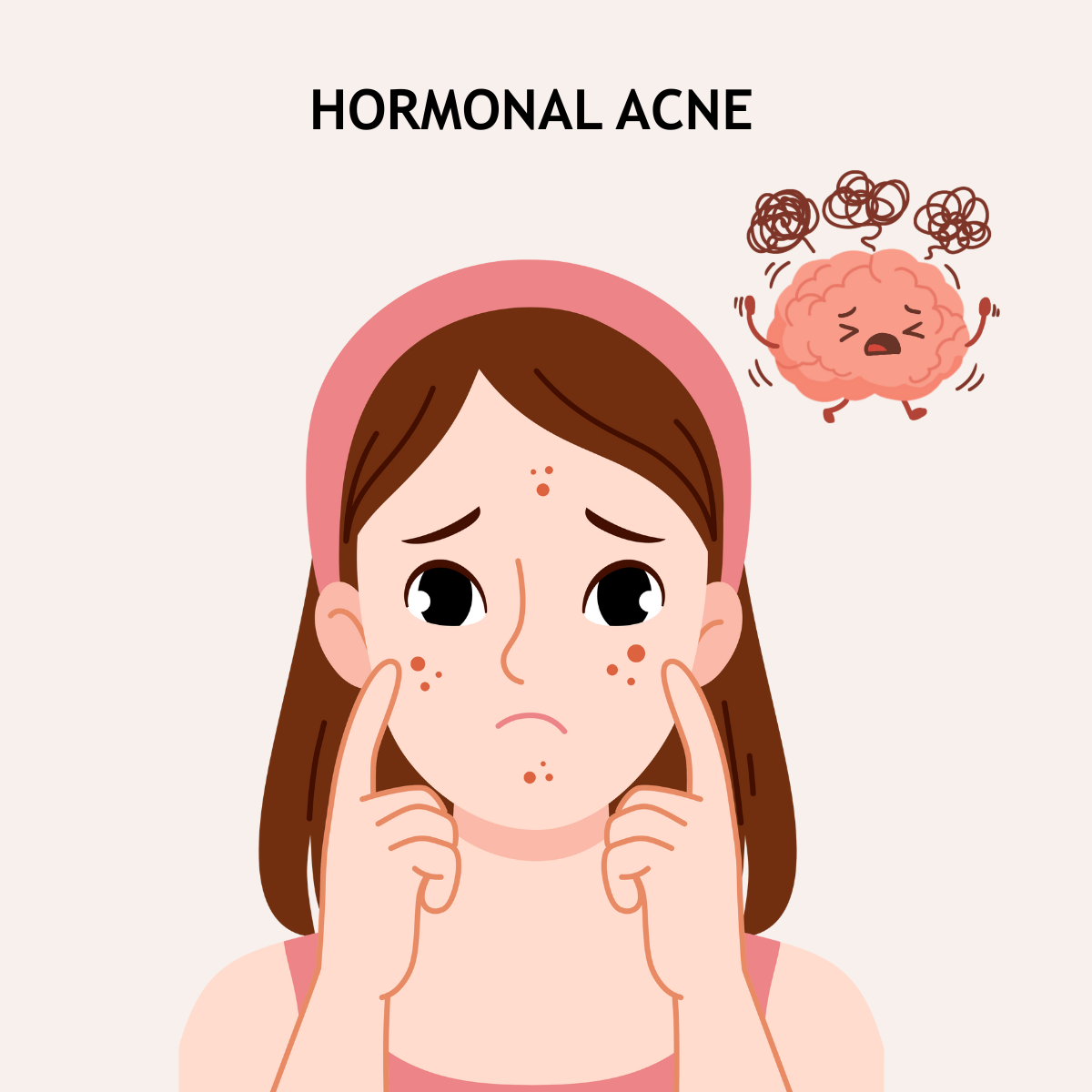
1. Hormonal Imbalance
This is the most common cause.
Hormones called androgens increase oil production. More oil means clogged pores. Hormonal cystic acne often appears:
-
Around the jawline
-
On the chin
-
Before periods
-
In people with PCOS
This is why cystic acne is common in adult women.
2. Excess Oil Production
If your skin produces too much oil, pores get blocked deeply. This creates an environment where bacteria multiply and inflammation increases.
3. Genetics
If your parents had severe acne, you are more likely to develop cystic acne.
4. Stress
Stress increases cortisol. Cortisol increases oil production. Oil triggers deep breakouts.
5. Certain Medications
Steroids and some hormone-related medications can trigger severe acne.
Why Did I Suddenly Get Cystic Acne?
This is a very common question.
Sudden cystic acne can happen due to:
-
Hormonal changes
-
Stopping birth control pills
-
Severe stress
-
New skincare products clogging pores
-
PCOS symptoms starting
If it appears suddenly and repeatedly in the same area, hormones are usually involved.
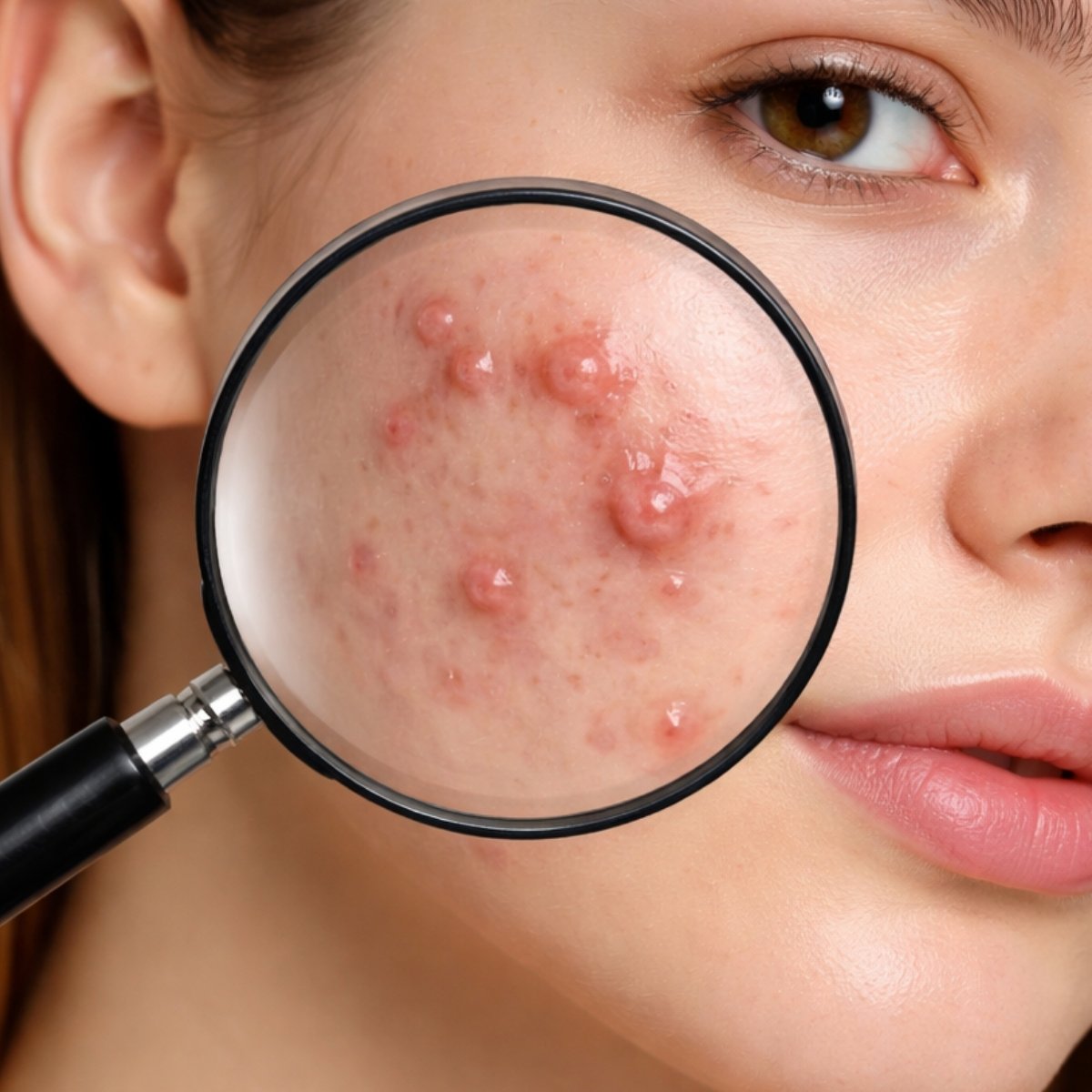
What Does Cystic Acne Look Like?
Here are the signs:
-
Large red or skin-colored lumps
-
Deep under the skin
-
Painful
-
Warm to touch
-
May not have visible white center
It often appears on:
-
Face
-
Jawline
-
Neck
-
Back
-
Chest
How Long Does Cystic Acne Last?
Cystic acne lasts longer than regular pimples.
A small pimple may heal in 3–5 days.
Cystic acne can last:
-
2–4 weeks
-
Sometimes longer
And if picked or squeezed, healing takes even longer.
Will Cystic Acne Leave a Scar?
Yes, it can.
Because cystic acne damages deeper layers of skin, it has a high risk of scarring.
Types of scars it can cause:
-
Ice pick scars
-
Boxcar scars
-
Rolling scars
-
Dark spots (post-inflammatory hyperpigmentation)
That is why early treatment is important.
How to Get Rid of Cystic Acne Safely
Treatment depends on severity.
Let’s break it down clearly.
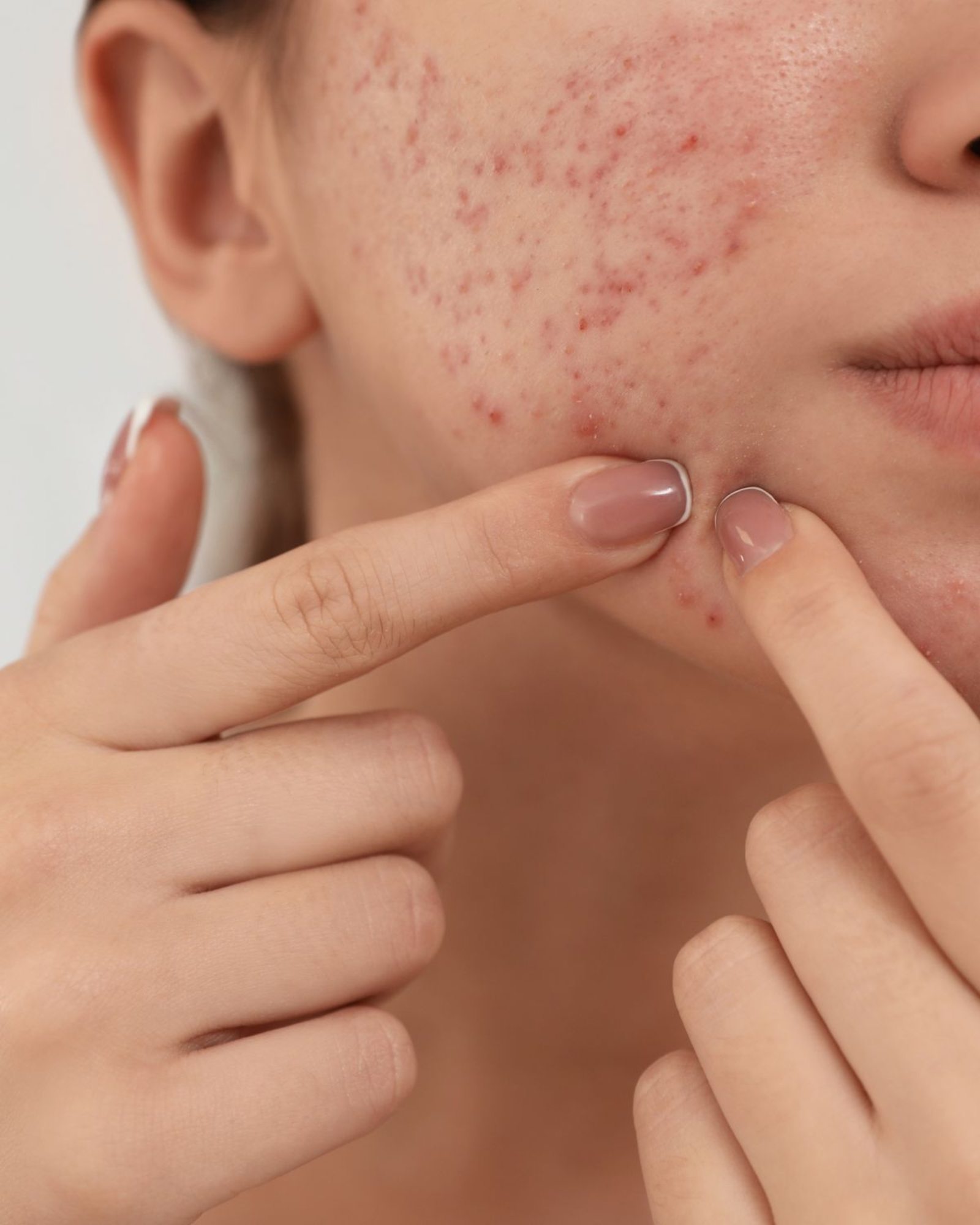
1. Do NOT Pop It
Never squeeze cystic acne.
Because it is deep, squeezing pushes infection deeper and increases scarring risk.
2. Use the Right Topical Treatments
For mild cases, ingredients like:
-
Benzoyl peroxide
-
Salicylic acid
-
Retinoids
-
Azelaic acid
can help reduce inflammation and prevent new cysts.
But severe cystic acne often needs stronger treatment.
3. Oral Medications (Doctor Prescribed)
For persistent cystic acne, dermatologists may prescribe:
-
Oral antibiotics
-
Spironolactone (for hormonal acne)
-
Birth control pills
-
Isotretinoin (for severe cases)
Isotretinoin is usually used for severe, scarring acne.
4. Cortisone Injection
If you have a very large painful cyst, a dermatologist can inject cortisone into it. This reduces swelling within 24–48 hours.
This is often used for emergency cases.
How to Quickly Reduce Swelling at Home
While you cannot completely remove cystic acne overnight, you can reduce swelling by:
-
Applying ice wrapped in cloth for 5–10 minutes
-
Using anti-inflammatory spot treatments
-
Avoiding touching the area
Do not apply toothpaste or home remedies. They irritate the skin.
Is Cystic Acne Hormonal or Bacterial?
It is both.
Hormones increase oil production.
Bacteria grow in the clogged pore.
The immune system reacts.
So cystic acne is caused by a combination of:
-
Hormones
-
Oil
-
Bacteria
-
Inflammation
Does Cystic Acne Mean PCOS?
Not always.
Cystic acne can be linked to PCOS if you also have:
-
Irregular periods
-
Excess facial hair
-
Weight gain
-
Hair thinning
If you notice these signs, consult a doctor.
When Should You See a Dermatologist?
You should seek medical help if:
-
Acne is painful and deep
-
You see scarring
-
Breakouts are frequent
-
Over-the-counter treatments fail
-
Acne affects your confidence and mental health
Early medical treatment prevents permanent scars.
How to Prevent Cystic Acne
Prevention is easier than treatment.
✔ Use non-comedogenic skincare
✔ Avoid over-exfoliating
✔ Do not sleep with makeup
✔ Manage stress
✔ Use sunscreen daily
✔ Follow consistent routine
If hormonal, medical guidance may be needed.
Final Thoughts
Cystic acne is a severe form of inflammatory acne that forms deep under the skin and can be painful and long-lasting. It is commonly caused by hormonal changes, excess oil production, genetics, or stress. Unlike regular pimples, cystic acne has a high risk of scarring, which is why early and proper treatment is important. While mild cases may respond to topical treatments, more severe cases often require medical support. The key is to avoid squeezing, use appropriate treatment, and consult a dermatologist if breakouts persist.