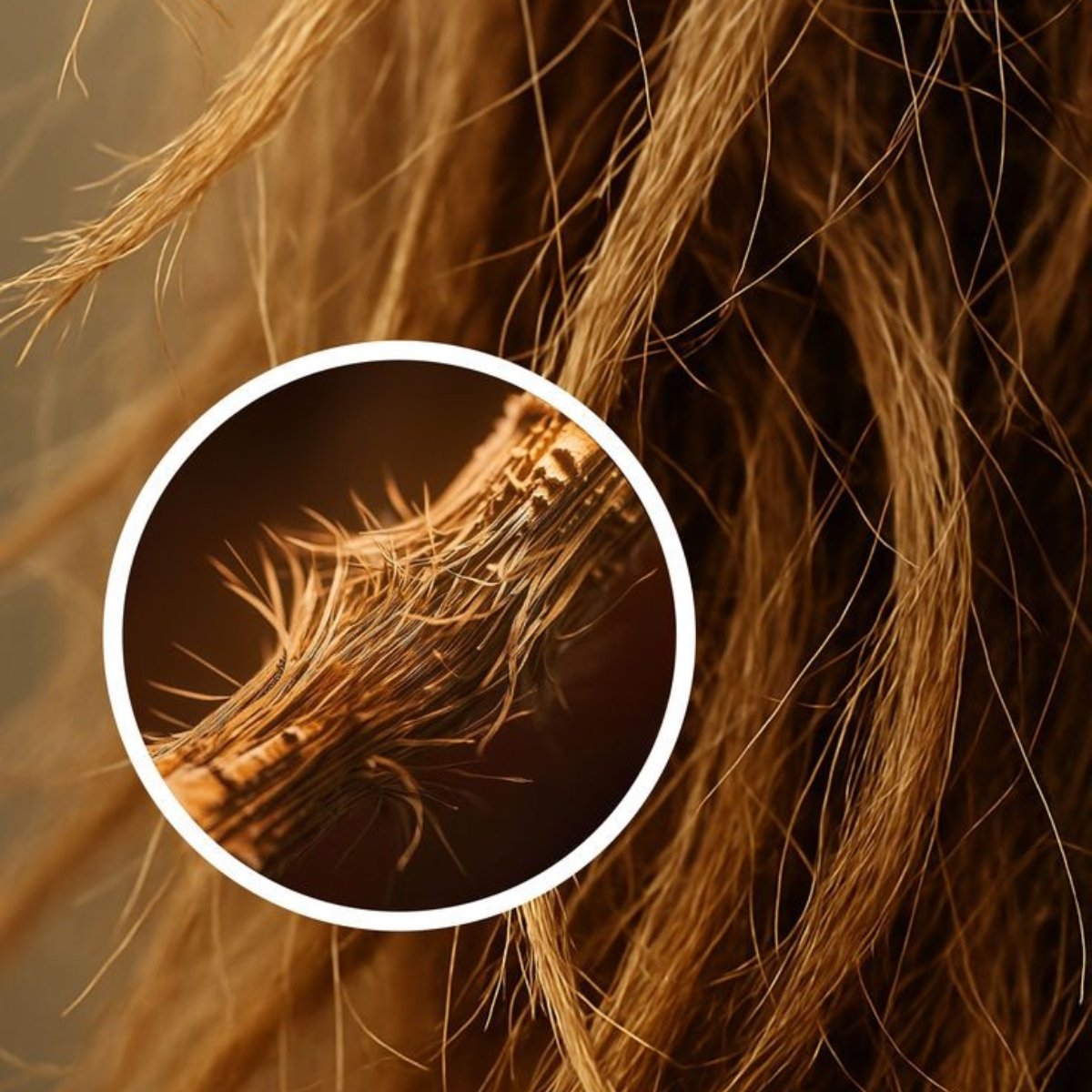
If your hair used to feel soft and manageable—but now feels rough, dry, or breaks easily—you’re not alone.
Most people don’t wake up one day with damaged hair.
It builds slowly. A little heat here. A wrong shampoo there. Stress, poor sleep, skipped meals. Before you realize it, your hair stops behaving the way it used to.
This guide will help you understand:
What damaged hair actually is
What damaged hair looks like
What causes it (beyond just heat)
Whether damaged hair can be repaired
And how to care for damaged hair the right way
No fear. No myths. Just clear, practical guidance.
What Is Damaged Hair?
Damaged hair is hair that has lost its natural strength, moisture balance, and protective structure.
Each hair strand has an outer layer called the cuticle.
When this layer is healthy, it lies flat and protects the inner hair.
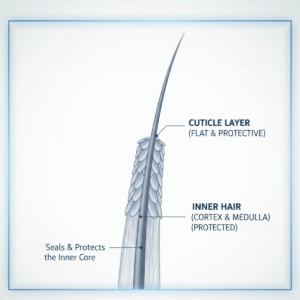
When hair becomes damaged:
The cuticle lifts or breaks
Moisture escapes easily
Hair becomes weak and rough
Unlike skin, hair is made of dead cells.
That means damaged hair cannot “heal” itself—but it can be managed and protected while healthier hair grows in.
Real-life example:
Someone who washes their hair daily with a harsh shampoo may notice their hair becoming dry and stiff within weeks, even without heat styling.
What Does Damaged Hair Look Like?
Many people ask: “How can you tell if your hair is damaged?”
Here are the most common signs.
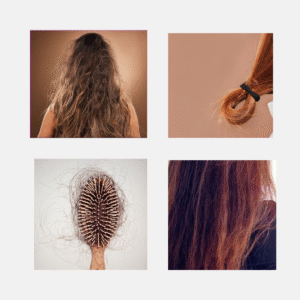
Common Signs of Damaged Hair
Hair looks dull instead of shiny
Ends split quickly after trimming
Hair snaps instead of shedding from the root
Excessive frizz, even in humid weather
Hair feels rough or straw-like
Curls lose their shape or won’t hold
If you’re unsure whether what you’re seeing is real damage or something else, this guide on what heat damaged hair looks like and how to identify it correctly can help you understand texture-related damage in more detail.
How Can You Tell If Your Hair Is Damaged?
If the signs aren’t obvious, simple tests can help.
The Stretch Test
Wet a strand of hair
Gently stretch it
Healthy hair: stretches slightly and returns
Damaged hair: snaps immediately or stretches too much and breaks
The Texture Test
Condition your hair
Let it air dry
If hair still feels rough or brittle, structural damage is likely present.
What Causes Damaged Hair? (It’s Rarely Just One Thing)
Hair damage usually builds from multiple small habits, not one mistake.
Heat Styling
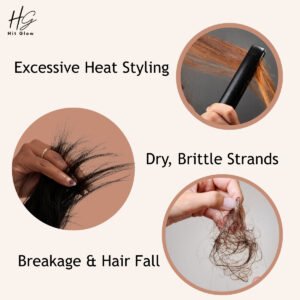
Flat irons, curling wands, and blow dryers weaken hair over time—especially when used frequently or at high temperatures.
If heat tools are part of your routine, read our detailed guide on heat damaged hair: causes, repair, and prevention.
Wrong Hair Care Routine & Products
Over-washing
Harsh shampoos
Using products not suited for your hair type
Excessive protein treatments
These habits slowly strip moisture and weaken hair strands.
We break this down step by step in hair damage caused by the wrong hair care routine and products.
Stress, Diet & Lifestyle
Hair reflects what’s happening inside your body.
Chronic stress
Poor sleep
Low protein intake
Vitamin and mineral deficiencies
All can contribute to hair becoming weak and breakage-prone. Learn more in how stress and diet contribute to hair damage.
Chemical Treatments
Bleaching, coloring, relaxing, or perming hair damages the cuticle and weakens the hair shaft—especially when combined with heat.
Can Damaged Hair Be Repaired?
This is where honesty matters.
Damaged hair cannot fully repair itself.
Once the internal structure is compromised, it cannot be reversed.
However…
Damaged hair can:
Look smoother
Feel softer
Break less
Be protected from further damage
With the right care, damaged hair becomes manageable while new, healthy hair grows in.
How to Repair Damaged Hair the Right Way
Repairing damaged hair is about damage control, not miracles.
1. Stop the Damage First
Reduce heat styling
Avoid harsh chemical treatments
Handle wet hair gently
Without this step, no treatment will work.
2. Restore Moisture Balance
Damaged hair struggles to hold moisture.
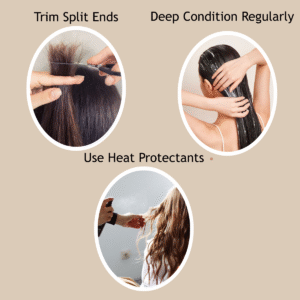
Use deep conditioners regularly
Apply masks when hair feels dry or stiff
For a complete routine, see the ideal hair care routine for damaged hair.
3. Strengthen—But Don’t Overdo Protein
Protein helps weak hair—but too much can make hair brittle.
If hair feels hard or snaps easily, it may need moisture more than protein.
4. Trim Strategically
Split ends don’t heal.
Regular trims:
Prevent splits from traveling upward
Help retain length long-term
Real-life case:
Someone who stopped daily straightening and trimmed gradually noticed reduced breakage within 6–8 weeks.
Best Damaged Hair Treatments That Actually Help
There’s no single “best” treatment—but some options consistently support damaged hair.
Effective Options Include
Deep conditioning treatments
Hair masks for damaged hair
Gentle shampoos for damaged hair
Leave-in conditioners
Ingredient quality matters more than branding.
We cover this in detail in the best ingredients for damaged hair and what to avoid.
Damaged Hair Care Routine (Simple & Sustainable)
A damaged hair routine doesn’t need to be complicated. Here are some details about shampoos for damaged hairs
On Wash Days
Use a mild shampoo
Condition thoroughly
Avoid aggressive towel drying
Between Washes
Minimize friction
Protect hair while sleeping
Avoid repeated styling
Consistency matters more than expensive products.
How Long Does It Take to Heal Damaged Hair?
Healing happens in stages.
2–4 weeks: Hair feels softer and more manageable
2–3 months: Less breakage, better elasticity
6–12 months: Healthier new hair replaces damaged lengths
Damaged hair improves with time—not overnight fixes.
When Should You Worry About Hair Damage?
Seek professional advice if you notice:
Sudden or excessive breakage
Rapid thinning
Scalp irritation or pain
Texture changes that don’t improve
These may signal issues beyond routine damage.
Final Thoughts:
Damaged hair doesn’t mean failed hair care—or bad genetics.
It means your hair needs better support, gentler habits, and time.
With informed care:
Hair becomes easier to manage
Breakage reduces
Confidence returns
This guide is your starting point.
Each linked topic will help you go deeper—step by step, without confusion.