Glycolic acid benefits go far beyond simple exfoliation. This powerful skincare ingredient helps with acne, pigmentation, dullness, and rough texture by removing dead skin cells and boosting skin renewal.
Glycolic acid is not just another trending acid. It is one of the most researched and dermatologist-trusted ingredients in skincare. When used correctly, it helps your skin renew itself, absorb products better, and appear smoother, brighter, and healthier over time.
In this guide, you will learn what glycolic acid is, where it comes from, how it works, and why experts consider it powerful a multi-tasking solution for so many skin concerns. This blog focuses on what glycolic acid can do for your skin and why it is so powerful.
What Is Glycolic Acid and Where Does It Come From?
Glycolic acid is a type of alpha hydroxy acid, also known as an AHA. AHAs are water-based exfoliating acids that work mainly on the surface of the skin.
Glycolic acid is derived from sugarcane. Even though it comes from a natural source, the glycolic acid used in skincare products is produced in laboratories. This ensures the ingredient is pure, stable, and safe for regular use.
What makes glycolic acid unique is its very small molecular size. Because the molecules are small, glycolic acid penetrates the skin more easily than other AHAs. This allows it to work faster and deeper, which is why it delivers visible results but also needs to be used with care.
Glycolic acid is mainly used in skincare products and is rarely used in hair care. Its main purpose is exfoliation and skin renewal.
How Glycolic Acid Works on the Skin
Your skin naturally sheds dead skin cells, but this process slows down with age, sun damage, stress, and pollution. When dead skin cells build up, your skin can look dull, rough, uneven, and congested.
Glycolic acid works by breaking down the bonds that hold dead skin cells together. Once these bonds loosen, the dead cells shed more easily, revealing fresh skin underneath.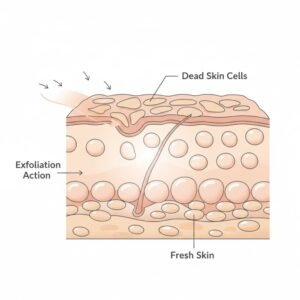
By removing this outer layer of dead skin, glycolic acid improves skin texture and tone. It also allows skincare products like serums and treatments to penetrate more deeply and work more effectively.
This is why glycolic acid is often described as a “skin reset” ingredient.
Skin Problems Glycolic Acid Can Improve
Glycolic acid is known for treating many skin concerns at the same time. This is what makes it such a powerful and popular ingredient.
How Glycolic Acid Helps Clear Acne
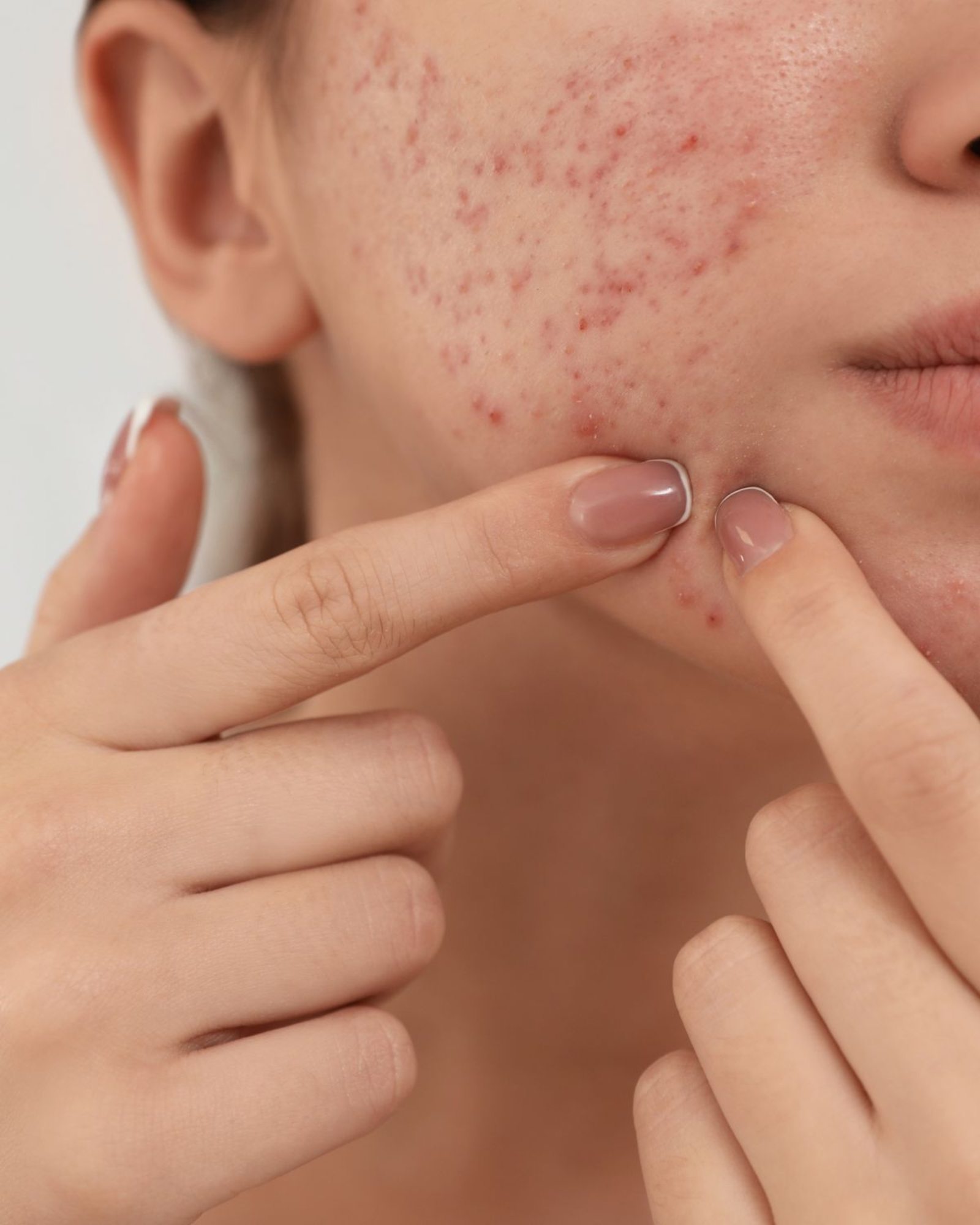
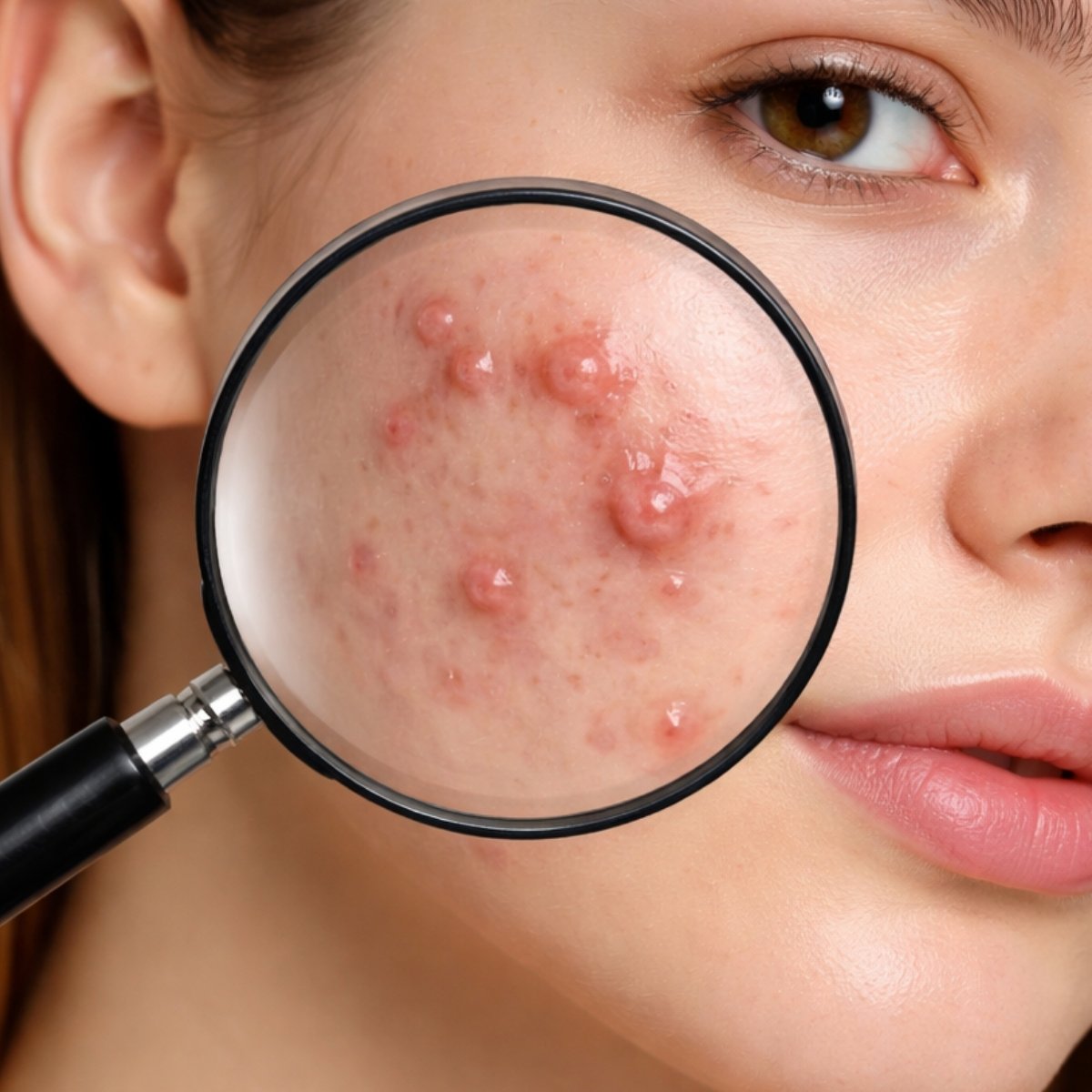
Glycolic acid helps clear clogged pores by removing dead skin cells that trap oil and bacteria. This makes it very effective for mild to moderate acne, blackheads, and whiteheads.
While it does not kill acne bacteria directly, it creates a cleaner skin surface where breakouts are less likely to form. With regular use, pores appear clearer and skin feels smoother.
Glycolic Acid for Dull and Textured Skin
If your skin looks tired or rough, glycolic acid can help bring back brightness. By exfoliating the skin, it removes the dull layer that hides your natural glow.
Over time, skin texture improves and feels softer and more even to the touch.
Glycolic Acid for Wrinkles and Fine Lines
As glycolic acid speeds up skin renewal, it helps smooth the appearance of fine lines. This is especially helpful for early signs of aging caused by sun exposure and dryness.
With consistent use, skin can appear firmer and more refreshed.
Fading Dark Spots and Uneven Skin Tone
Dark spots and uneven skin tone form when melanin builds up in certain areas. Glycolic acid helps fade pigmentation by encouraging faster cell turnover. With patience and regular use, skin tone can look more even and balanced.
If you are dealing with pigmentation or sensitive skin, you may also want to read our complete guide on azelaic acid benefits.
Glycolic Acid for Keratosis Pilaris and Rough Body Skin
Keratosis pilaris, often called “chicken skin,” happens when keratin blocks hair follicles. Glycolic acid helps smooth these bumps by exfoliating thick, rough skin.
It is also useful for dry areas like elbows, knees, and heels, where dead skin tends to build up.
Glycolic Acid for Ingrown Hairs and Underarm Care
By keeping the skin surface smooth, glycolic acid helps reduce ingrown hairs and razor bumps. Many people use it on areas like underarms to improve texture and appearance.
Regular exfoliation can also help reduce underarm discoloration caused by dead skin buildup.
Why Glycolic Acid Makes Other Skincare Products Work Better
One of the biggest benefits of glycolic acid is how it improves the effectiveness of other skincare ingredients.
Dead skin cells create a barrier that blocks active ingredients. By removing this barrier, glycolic acid allows ingredients like retinol and vitamin C to penetrate deeper into the skin.
This does not mean you should use everything together, but it explains why exfoliation is such an important step in any skincare routine.
Hydration Benefits of Glycolic Acid
Even though glycolic acid is an exfoliant, it also has humectant properties. This means it helps attract and bind water to the skin.
When used correctly and followed by a good moisturizer, glycolic acid improves skin hydration and softness. This is why many modern formulations include hydrating ingredients alongside glycolic acid.
When and How to Use Glycolic Acid
Glycolic acid is best used in the evening. This is because it increases sun sensitivity, making daytime use risky without proper protection.
Start slowly, especially if you are new to exfoliating acids. Using glycolic acid once or twice a week is enough in the beginning.
Always apply it to clean, dry skin and follow with a moisturizer. During the day, sunscreen is essential.
Why Sunscreen Is Non-Negotiable with Glycolic Acid
Glycolic acid significantly increases sun sensitivity. Without sunscreen, your skin becomes more vulnerable to sunburn, pigmentation, and long-term damage.
A broad-spectrum sunscreen with at least SPF 30 is required, and SPF 50 is recommended if you are using higher concentrations.
Using glycolic acid without sunscreen can worsen the very problems you are trying to fix.
Conclusion: Why Glycolic Acid Deserves a Place in Skincare
Glycolic acid is one of the most effective and versatile ingredients in skincare. It helps treat acne, dullness, texture, wrinkles, pigmentation, body bumps, and more.
Clinical studies show that glycolic acid improves skin texture and tone when used correctly, according to dermatology research published by trusted medical sources.
Its power comes from its ability to remove dead skin cells, improve product absorption, and support skin renewal. When used correctly, glycolic acid can completely transform how your skin looks and feels.
In the next guide, we will talk about who should use glycolic acid, who should avoid it, and how to use it safely based on skin type. Understanding both the benefits and the limits of glycolic acid is the key to healthy, glowing skin.