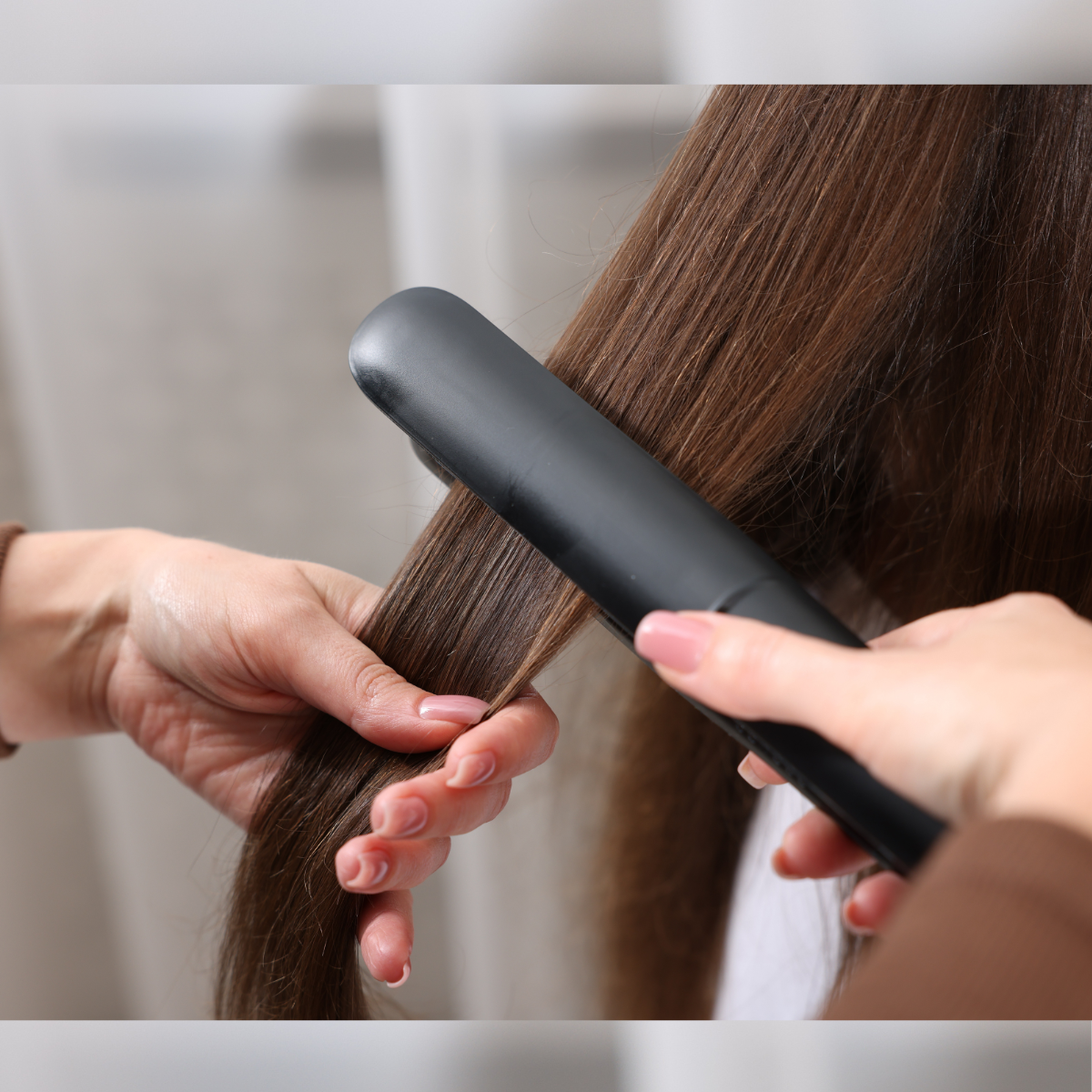
For many people, heat styling isn’t a trend — it’s a habit built over years.
Blow-drying before work. Straightening to look polished. Curling for special occasions.
At first, hair cooperates. Over time, it doesn’t.
If your hair feels weaker, rougher, or no longer styles the way it used to, heat damaged hair may be the reason. This guide explains what heat damage really is, how it shows up, and what you can realistically do about it.
What Is Heat Damaged Hair?
Heat damaged hair is hair that has been structurally weakened by repeated exposure to high temperatures.
Every strand of hair is protected by an outer layer called the cuticle. When heat is applied too often or at very high temperatures, this layer begins to lift, crack, or erode. Once that happens, moisture escapes easily and the inner structure of the hair becomes vulnerable.
This is why heat damage doesn’t usually appear overnight.
It builds slowly, often showing up months or years after heat styling becomes routine.
If you want a broader understanding of how heat damage fits into overall hair health, start with damaged hair and how to repair it naturally before diving deeper.
What Does Heat Damaged Hair Look Like?
One of the most common questions people ask is whether their
hair is truly damaged or just dry.
Heat damaged hair has a few clear characteristics.
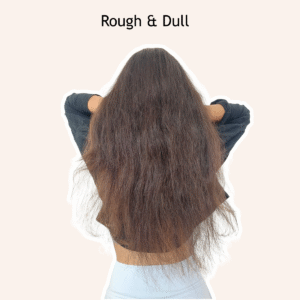
It often looks dull, even when clean. The ends appear thin or uneven. Frizz becomes harder to control, not just in humidity but all the time. Hair may also lose its natural movement — curls stop bouncing back, waves fall flat, and straight hair looks limp rather than smooth.
A common real-life example is someone who straightens curly or wavy hair regularly. At first, curls return after washing. Over time, sections stop curling altogether. That loss of pattern is a classic sign of heat damage.
Signs of Heat Damaged Hair You Shouldn’t Ignore
Heat damage isn’t always obvious in the mirror. Often, it’s felt before it’s seen.
Hair that breaks while brushing or detangling is a major sign. Instead of shedding from the root, strands snap along the length. Hair may feel stiff or straw-like, even right after conditioning. Another red flag is hair that no longer responds to styling — straighteners don’t smooth it properly, or curls fall out quickly.
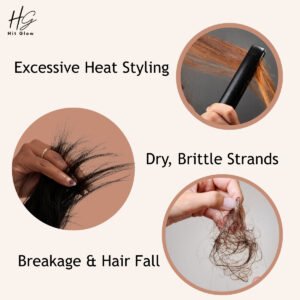
These changes usually mean the hair’s internal strength has been compromised.
How Heat Actually Damages Hair
Heat damages hair in two main ways.
First, high temperatures force moisture out of the hair shaft. When water inside the hair evaporates too quickly, it creates tiny bubbles and weak points within the strand. Over time, this leads to cracking and breakage.
Second, excessive heat breaks down hair proteins. Protein gives hair its structure and elasticity. Once enough protein is lost, hair becomes fragile and unable to stretch without snapping.
This is why using the highest heat setting — especially on fine or chemically treated hair — causes damage much faster than most people expect.
Common Causes of Heat Damaged Hair
Frequent Blow Drying
Daily blow drying, especially without heat protection, slowly strips moisture from hair. Holding the dryer too close or using it on soaking-wet hair makes the damage worse.
Straightening and Curling Irons
Flat irons and curling wands often operate at temperatures far higher than hair needs. Repeated passes over the same section concentrate heat in one area, weakening the strand over time.
Styling on Wet or Damp Hair
Using heat tools on hair that hasn’t fully dried increases internal damage. The water inside the hair heats rapidly, stressing the structure from within.
Skipping Heat Protection
Heat protectants don’t make heat harmless, but they reduce how much direct damage hair absorbs. Skipping them repeatedly increases long-term damage.
Can Heat Damaged Hair Be Repaired?
This is where expectations matter.
Heat damaged hair cannot be fully repaired. Hair is not living tissue, so once its structure is compromised, it cannot regenerate.
However, heat damaged hair can be improved.
With the right care, hair can feel softer, look smoother, and break less. The goal is not to “heal” damaged strands, but to protect them while healthier hair grows in.
Understanding this distinction prevents frustration and unrealistic expectations.
How to Fix Heat Damaged Hair (What Actually Helps)
Fixing heat damaged hair starts with changing habits, not adding more products.
Reduce Heat Exposure
This is the most important step. Even small changes help. Using heat less frequently, lowering temperature settings, or air-drying part of the time gives hair a chance to retain moisture.
Use Heat Protectants Correctly
Heat protectants should be applied evenly before any heat styling. They work by slowing moisture loss and reducing direct heat impact, not by eliminating damage entirely.
Focus on Moisture First
Heat damaged hair often needs moisture more than protein. Deep conditioning treatments help temporarily smooth the cuticle and improve manageability.
Trim Gradually
Split ends caused by heat don’t fix themselves. Regular trims prevent damage from traveling further up the hair shaft and help maintain length over time.
A common case is someone who stops daily straightening, trims every few weeks, and focuses on conditioning. Within two months, breakage noticeably decreases even though the hair isn’t “new” yet.
Heat Damaged Hair Treatment: What to Be Careful With
Many treatments promise “repair,” but not all are helpful long-term.
Excessive protein treatments can make hair feel harder and more brittle if moisture isn’t balanced. Similarly, layering too many products can weigh hair down without improving strength.
The best approach is simple: gentle cleansing, consistent conditioning, and minimal heat.
Ingredient choices matter, but routines matter more.
How Long Does It Take to See Improvement in Heat Damaged Hair?
Improvement happens in stages.
Within a few weeks, hair often feels softer and easier to manage. Breakage typically reduces over two to three months if heat use is limited. Full recovery depends on growth — healthier hair gradually replaces damaged lengths over six to twelve months.
Patience is part of the process.
How to Prevent Heat Damage in the Future
Prevention doesn’t require giving up heat forever.
Lower heat settings, fewer passes with styling tools, always using protection, and keeping hair well-conditioned make a significant difference. Handling wet hair gently and avoiding rushed styling also reduces stress on strands.
These small changes protect not just existing hair, but future growth.
Final Thoughts: Living With Heat Damaged Hair Realistically
Heat damaged hair is common — especially for people who’ve styled their hair regularly for years.
It doesn’t mean your hair is ruined.
It means your hair needs a different approach now than it did before.
By reducing heat, focusing on moisture, and managing expectations, hair becomes easier to live with while healthier strands grow in.
For a complete understanding of all types of hair damage and how they connect, revisit damaged hair and how to repair it naturally and continue building a routine that works for your life — not against it.