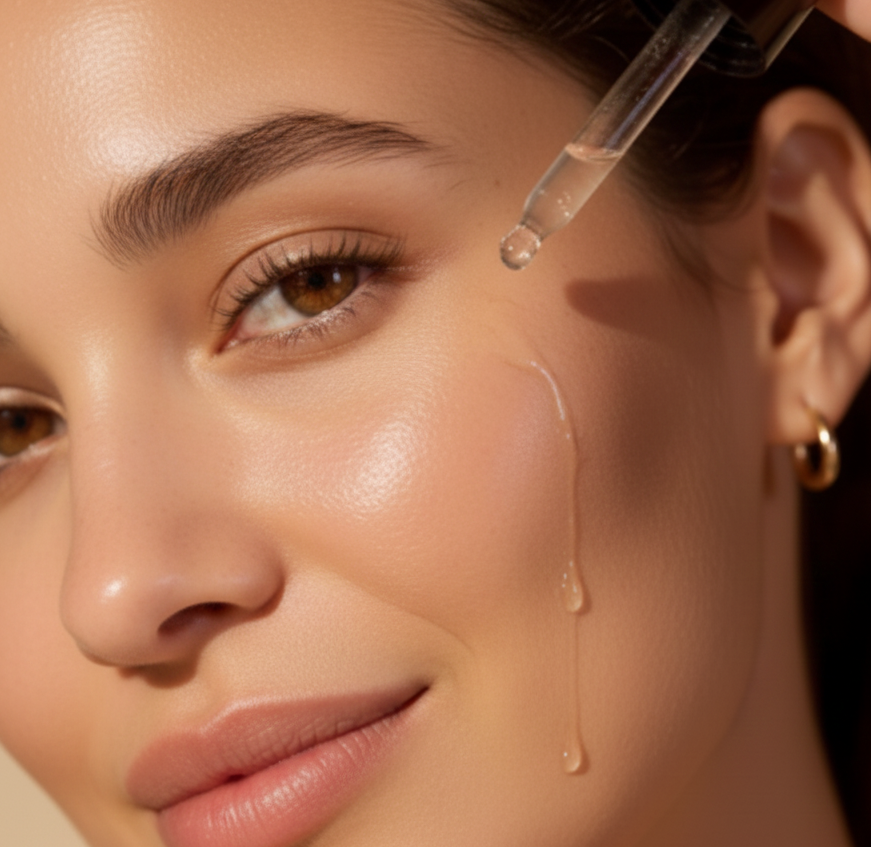
You’ve already discovered the incredible benefits of Niacinamide, the pore-minimizing, redness-reducing, acne-fighting powerhouse that belongs in every routine.
But once you have your serum, the next question is always the hardest: How do I use it with everything else?
Skincare is a delicate science. Mixing the wrong ingredients, or applying them in the wrong order, can neutralize their benefits or, worse, cause significant irritation and damage your skin barrier.
The Golden Rule of Layering
The Great Debates: What to Mix with Niacinamide
Niacinamide with Vitamin C (The Myth is Dead)
The Reality: Modern formulations have debunked this myth [1]. Today, you can safely use both Niacinamide and Vitamin C together. In fact, they are a powerhouse duo:
- Vitamin C is a powerful antioxidant that fights free radicals.
- Niacinamide strengthens the skin barrier and reduces inflammation.
Best Practice: Use Vitamin C in the morning for antioxidant protection against pollution, and Niacinamide in the evening for repair. If you want to use them both, apply the Vitamin C first, wait a few minutes, and then apply the Niacinamide.
Niacinamide with Retinol (The Perfect Partnership)
This is one of the best combinations in skincare. Retinol (Vitamin A) is the gold standard for anti-aging and acne, but it is notoriously irritating.
- The Partnership: Niacinamide acts as a buffer. It strengthens the skin barrier and reduces the redness and flakiness often caused by Retinol.
Niacinamide with Salicylic Acid (The Acne Dream Team)
- Salicylic Acid (BHA) dives deep into the pore to clear clogs.
- Niacinamide reduces the resulting inflammation and oil production.
The Ultimate Niacinamide Routine (When to Apply)
Here is a simple, effective routine incorporating Niacinamide and other key ingredients.
Step | Morning Routine (AM) | Evening Routine (PM) |
1. Cleanse | Gentle Cleanser | Gentle Cleanser |
2. Active/Treatment | Vitamin C Serum | Niacinamide Serum |
3. Hydration | Hyaluronic Acid Serum (optional) | Retinol (2-3 times a week) |
4. Moisturize | Lightweight Moisturizer | Richer Moisturizer |
5. Protect | Sunscreen (SPF 30+) | Eye Cream |
What to Avoid When Using Niacinamide
While Niacinamide is generally safe, there are a few ingredients that can cause unnecessary irritation when used at the same time.
If you are using a strong chemical peel (like 10% Glycolic Acid), do not use Niacinamide on the same night. Over-exfoliation is the fastest way to damage your barrier.
Physical Scrubs:
These are generally discouraged, but using a harsh scrub immediately before Niacinamide can lead to stinging and redness.
Start by choosing a high-quality Niacinamide serum (5% is a great starting point!).
Don’t forget to check out our first article to understand the science behind this ingredient