Peptides for Skin: Benefits, Types & How to Use Them
Peptides for skin have become one of the most talked-about ingredients in modern skincare. You’ll find them in serums, moisturizers, eye creams, and even barrier-repair products. But despite the hype, most people don’t really know what peptides do or how to use them properly.
Let’s clear that up.
This guide explains peptides in simple terms. No exaggerated claims. No confusing chemistry lessons. Just clear, useful information you can actually apply to your routine.
What Are Peptides in Skincare?
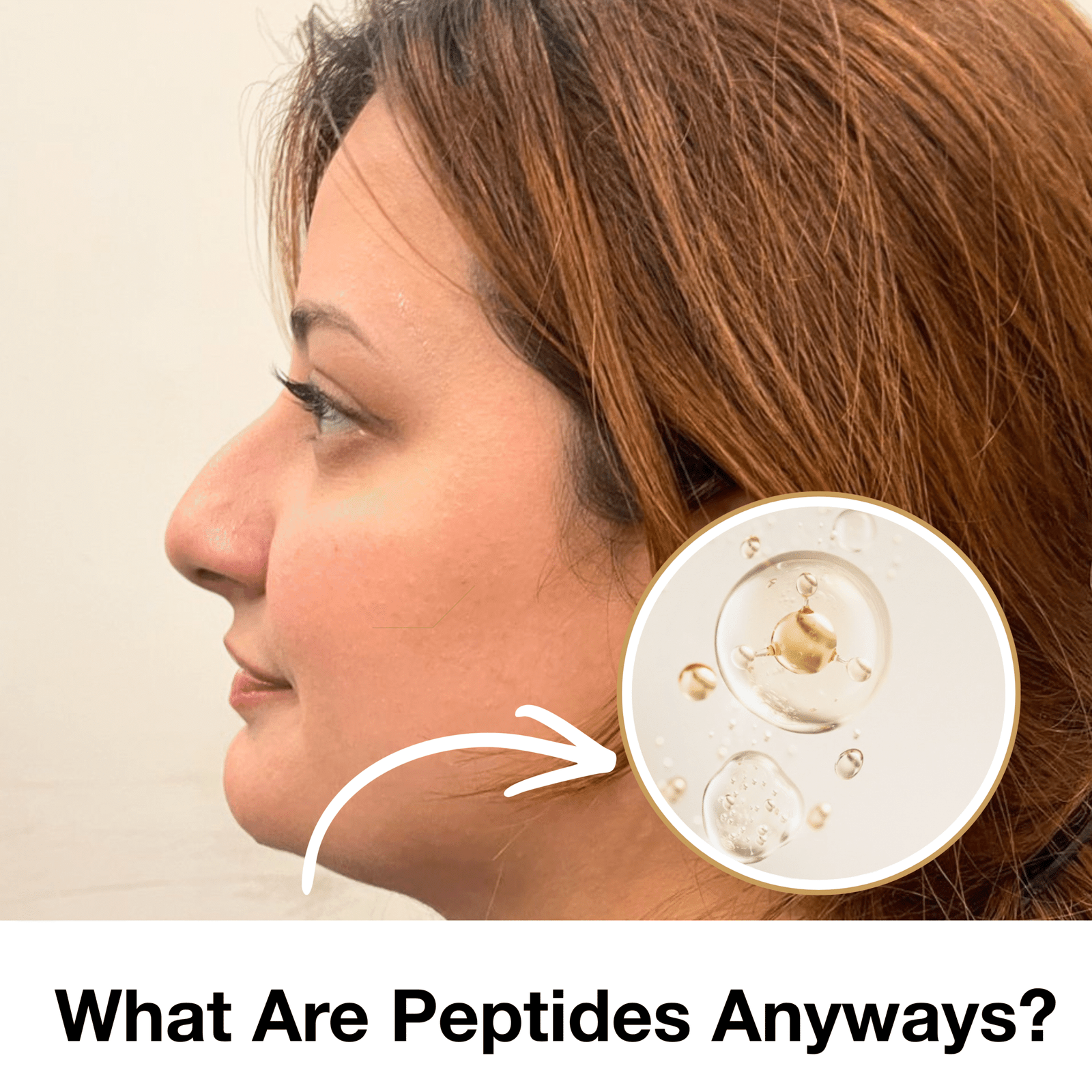
Peptides are short chains of amino acids. Amino acids are the building blocks of proteins like collagen, elastin, and keratin.
In skincare, peptides act like messengers. They signal the skin to support repair, firmness, and barrier strength. Think of them as instructions, not fillers.
Peptides don’t replace collagen in your skin. They help your skin behave like younger, healthier skin over time.
Why Peptides Are Used in Skincare Products
As we age, collagen production slows down. The skin barrier also becomes weaker and more reactive.
Peptides are popular because they work gently. They don’t force the skin to renew overnight like strong acids or retinoids. Instead, they support long-term skin health. Read Complete Blog on when to start anti-aging skincare .
That makes peptides especially useful for:
- Early aging concerns
- Sensitive or compromised skin
- People who can’t tolerate harsh actives
What Do Peptides Actually Do for Skin?
Peptides support the skin in subtle but important ways.
They can help improve firmness.
They can support smoother texture.
They can strengthen the skin barrier.
Results are gradual. Peptides are not “instant wrinkle erasers,” and that’s a good thing. Healthy skin changes take time. Peptides work best when paired with hydrating ingredients like hyaluronic acid, which helps maintain moisture while peptides support skin structure.
Types of Peptides Used in Skincare
Not all peptides do the same job. This is where most blogs oversimplify things.
Here are the main types used in skincare:
- Signal peptides
Tell the skin to support collagen and elastin production. - Carrier peptides
Help deliver minerals like copper to the skin. - Neurotransmitter-inhibitor peptides
Help soften the look of expression lines. - Enzyme-inhibitor peptides
Slow down processes that break down collagen.
Most good formulas use more than one type for balanced results.
The Part Most Blogs Miss: Formulation Matters More Than the Peptide
Here’s the truth most brands won’t tell you.
A peptide is only as good as the formula it sits in.
If the product has poor packaging, unstable ingredients, or a harsh base, the peptide won’t do much. Sometimes it won’t do anything at all.
🔬 Pro-Tip (Expert Insight)
Peptides are sensitive to low pH environments.
That means using them right after strong exfoliating acids can reduce their effectiveness.
Use peptides in a separate routine ideally in the morning or on recovery nights.
This one change alone improves results for many people.
Peptide Serum vs Peptide Moisturizer
Both work. They just serve different roles.
A peptide serum is lighter and more targeted. It’s great if firmness or texture is your main concern.
A peptide moisturizer offers longer contact time with the skin. It also helps seal in hydration and support the barrier.
Many people benefit from using both—serum first, moisturizer second.
How to Use Peptides in a Skincare Routine
They are easy to use. That’s part of their appeal.
Apply them after cleansing and before heavier creams.
They work well with hydrating ingredients like glycerin and panthenol.
If you use strong actives like acids or retinoids, alternate nights. Let peptides support recovery instead of competing.
Strong exfoliating acids like glycolic acid work at a low pH, which is why peptides are best used in a separate routine for better results.
A Realistic Case Example
While working with a skincare brand, we often hear from customers who feel stuck between wanting results and not wanting irritation. One customer in her early 30s reached out with combination, sensitive skin. She had tried retinol before, but every time she used it, her skin became red, tight, and uncomfortable.
Instead of pushing stronger actives, we helped her simplify her routine. We suggested pausing retinol and adding a peptide-based serum on non-active nights to support her skin barrier and recovery. We also reduced unnecessary exfoliation and focused on hydration.
After about six weeks, she shared updated photos. Her skin looked calmer and more even, and the rough texture she complained about had improved. Fine lines were still there but her skin felt healthier and more stable.
That’s how peptides work best. Not as quick fixes, but as steady support for long-term skin health.
Are Peptides Safe for Skin?
For most people, yes.
Peptides are generally well tolerated. They don’t exfoliate or thin the skin. That makes them suitable for sensitive skin types.
Still, patch testing is smart especially if the formula contains other active ingredients.
Frequently Asked Questions
What are peptides in skincare?
Peptides are short chains of amino acids that send signals to the skin to support repair, firmness, and barrier health.
What do peptides do for skin?
They help improve firmness, texture, and overall skin resilience over time.
Are peptides safe for sensitive skin?
Most peptide formulas are gentle, but always patch test first.
Can I use peptides with vitamin C or retinol?
Yes, but it’s best to separate peptides from strong acids. Many people use peptides in the morning or on recovery nights.
How long do peptides take to work?
Most people notice subtle improvements in 4–8 weeks with consistent use.
Final Thoughts
Peptides aren’t magic. They’re support systems.
Used correctly, they help skin function better over time. They shine in routines built for long-term skin health, not quick fixes.
👉 Ready to use peptides the right way?
Look for well-formulated peptide serums or moisturizers. Use them consistently. Keep your routine simple. And give your skin time to respond.