Introduction: The Hair Growth Elixir Taking Over the Internet
If you’ve spent any time on social media recently, you’ve likely seen it: videos of luscious, thick hair with a surprising secret weapon—rosemary oil. This humble herb is being hailed as a natural miracle for hair growth, but does it live up to the hype?
The interest in rosemary oil isn’t just a fleeting trend. It’s rooted in centuries of use in traditional medicine and, more recently, has caught the attention of the scientific community. But with so much anecdotal evidence, it can be hard to know what’s true.
This science-backed guide will explore what rosemary oil actually is, examine the evidence behind its hair growth claims, and show you how to use it safely and effectively to support your journey to healthier, stronger hair.
What Is Rosemary Oil and How Does It Work?
Rosemary oil is a potent essential oil extracted from the leaves of the Rosmarinus officinalis plant. It’s packed with powerful compounds, including antioxidants like carnosic acid and anti-inflammatory agents like rosmarinic acid.
When it comes to hair health, rosemary oil is believed to work in several key ways:
- Improving Circulation: When massaged into the scalp, it may increase blood flow to the hair follicles. Better circulation means more oxygen and nutrients can reach the follicles, which is essential for healthy hair growth.
- Nerve Growth Factor: Some studies suggest that carnosic acid, a key component of the oil, can help heal nerve endings. This could potentially rejuvenate the nerves in the scalp, which may in turn support hair growth. [cite source]
- DHT Blocking Properties: This is the most compelling claim. Dihydrotestosterone (DHT) is a hormone that can shrink hair follicles, leading to androgenetic alopecia (pattern baldness). Rosemary oil is thought to prevent DHT from binding to follicle receptors, similar to how the prescription drug minoxidil works.
The Science: Does It Actually Grow Hair?
This is the million-dollar question. While more large-scale human trials are needed, the existing evidence is very promising.
The most-cited study is a 2015 clinical trial that compared rosemary oil directly to 2% minoxidil (the active ingredient in Rogaine). The study involved men with androgenetic alopecia.
The Results:
- At the 3-month mark, neither group saw much change.
- However, at the 6-month mark, both the rosemary oil group and the minoxidil group saw a significant increase in hair count.
- Interestingly, the rosemary oil group reported less scalp itching than the minoxidil group, suggesting it was better tolerated. [cite source: link to the actual study on PubMed/NCBI]
This study provides strong evidence that rosemary oil isn’t just a myth—it can be a legitimate, effective natural alternative for promoting hair growth, given time and consistency.
Benefits of Rosemary Oil for Hair and Scalp
Beyond just hair growth, rosemary oil offers several other benefits:
- Reduces Scalp Inflammation: Its anti-inflammatory properties can help soothe the scalp, reducing dandruff and itchiness.
- Strengthens Hair: By improving circulation, it helps make hair follicles stronger, which can reduce breakage.
- Provides Antioxidant Protection: It helps protect the scalp and hair from damage caused by environmental free radicals.
- May Reduce Graying: By fighting free radical damage, some believe it can slow the premature graying of hair, though more research is needed on this claim.
How to Use Rosemary Oil Safely and Effectively
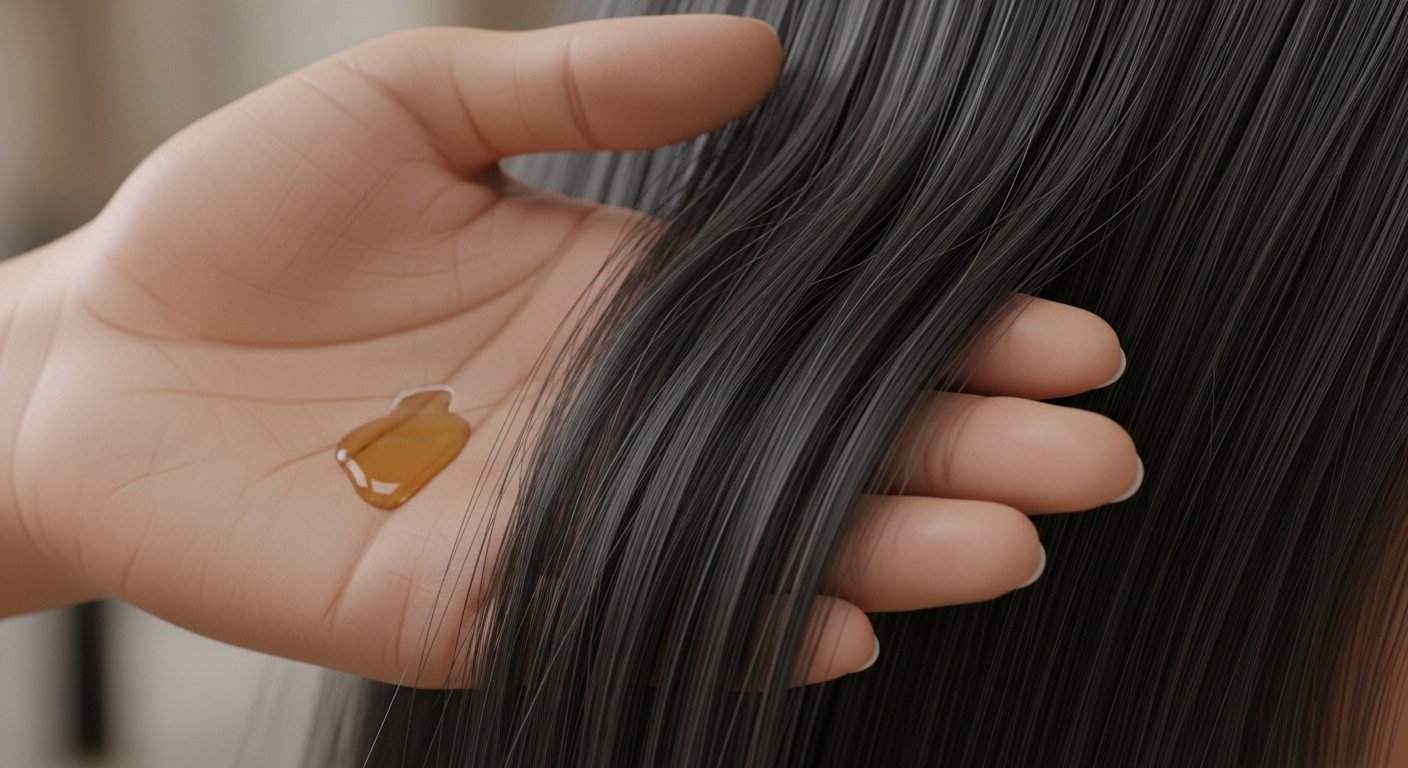
You should never apply pure essential oil directly to your scalp, as it can cause significant irritation. Here are the correct ways to use it:
1. Dilute with a Carrier Oil: This is the most common and effective method.
- Choose a Carrier Oil: Jojoba, argan, or coconut oil are excellent choices.
- Mix: Add 3-5 drops of high-quality rosemary essential oil to one tablespoon of your chosen carrier oil.
- Apply: Massage the mixture thoroughly into your scalp for 2-3 minutes. Focus on areas of concern.
- Wait: Leave it on for at least 30 minutes, or even overnight for a deep treatment.
- Wash: Shampoo and condition your hair as usual. You may need to shampoo twice to remove all the oil.
- Frequency: Do this 2-3 times per week for best results.
2. Mix it with Your Shampoo:
- Add about 5 drops of rosemary oil per ounce (30ml) of your shampoo.
- While this method is easier, it’s less effective as the contact time with your scalp is much shorter.
3. Use a Pre-Made Rosemary Oil Product:
- Many brands now offer hair serums or oils that are professionally formulated with rosemary oil. This is a great, hassle-free option.
Who Should Be Cautious?
While generally safe, rosemary oil isn’t for everyone.
- Pregnancy & Breastfeeding: It’s generally recommended to avoid using essential oils during pregnancy or while breastfeeding unless cleared by a doctor.
- Sensitive Skin: Always do a patch test on a small area of skin before applying it to your entire scalp to check for any allergic reaction.
- High Blood Pressure: Some sources suggest that rosemary oil could potentially raise blood pressure, so consult a doctor if you have this condition.
Conclusion: A Promising Natural Tool for Hair Health
So, can rosemary oil grow your hair? The scientific evidence, though still emerging, points to a resounding “yes.”
When compared to the gold-standard treatment minoxidil, rosemary oil has shown it can hold its own, delivering comparable hair growth results with potentially less scalp irritation.
Remember that consistency and patience are crucial. Like any effective treatment, it takes months to see visible results. By incorporating rosemary oil into your routine correctly and safely, you are using a powerful, natural tool to support your scalp health and pave the way for stronger, healthier hair growth.
Remember that consistency and patience are crucial. Like any effective treatment, it takes months to see visible results. By incorporating rosemary oil into your routine correctly and safely, you are using a powerful, natural tool to support your scalp health and pave the way for stronger, healthier hair growth.