In the ever-evolving world of skincare, few ingredients have garnered as much attention and praise as hyaluronic acid (HA). Often hailed as a “miracle molecule” for its plumping and hydrating properties, HA has become a staple in serums, moisturizers, and even hair care products. But with so much hype, it’s natural to wonder: is hyaluronic acid truly the superstar it’s made out to be, or is it just another simple hydrating ingredient?
This comprehensive guide will delve into the science behind hyaluronic acid, separating fact from fiction. We’ll explore its proven benefits, its limitations, and how to effectively incorporate it into your skincare and haircare routine for maximum results.
Whether you’re a seasoned skincare enthusiast or a curious beginner, this article will provide you with the ultimate truth about this popular ingredient.What is Hyaluronic Acid?
As we age, the body’s natural production of hyaluronic acid begins to decline, starting as early as our mid-20s. This decline is a significant contributor to the signs of aging, including dryness, wrinkles, and a loss of firmness.
The good news is that topical application of hyaluronic acid can help replenish these lost levels, providing a range of benefits for the skin.
The Science of Hydration: How Hyaluronic Acid Works
The primary function of HA is its remarkable ability to hold onto water. A single molecule of HA can bind up to 1,000 times its weight in water, making it one of the most effective humectants in the world of skincare . When applied to the skin, hyaluronic acid acts like a sponge, drawing moisture from the surrounding environment and the deeper layers of the skin to the surface, where it is most needed.
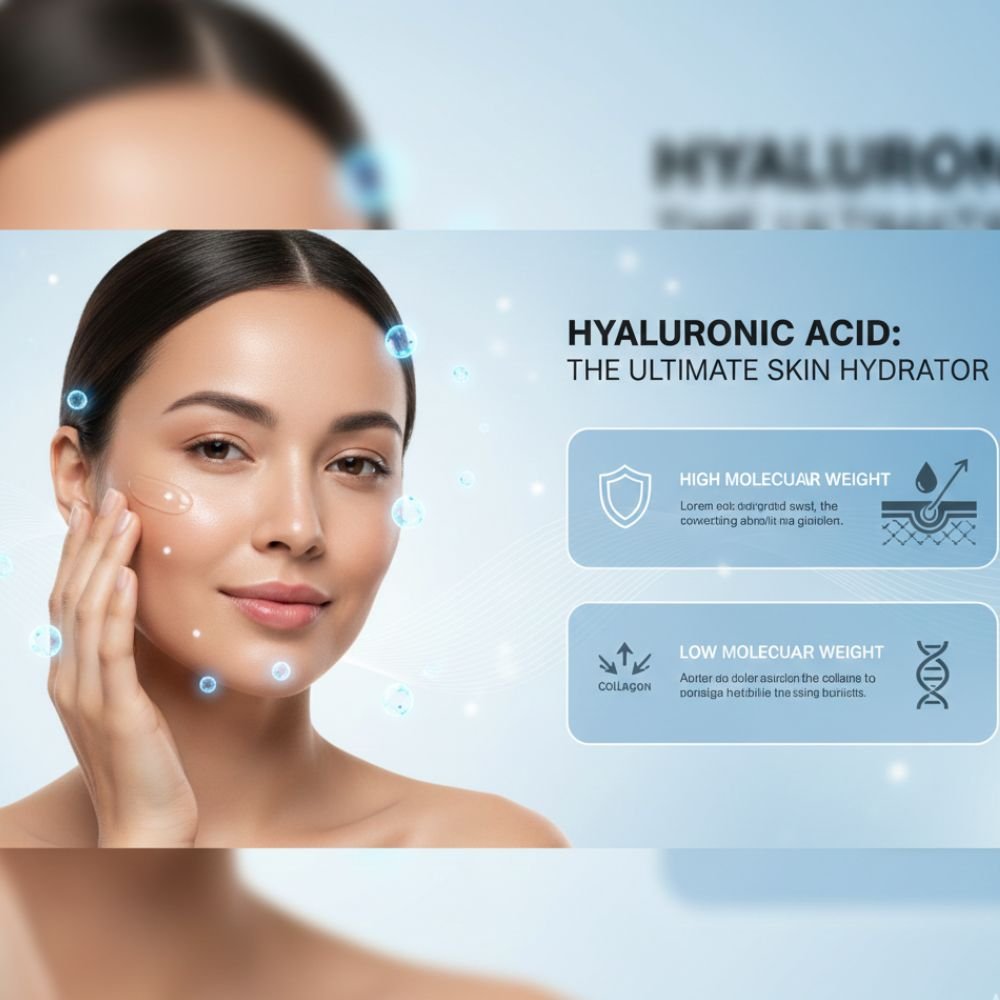
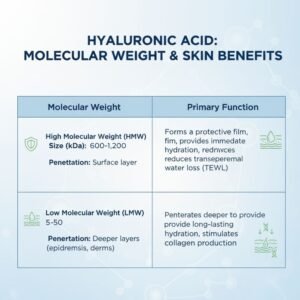
However, the effectiveness of hyaluronic acid is not just about its water-binding capacity; it also depends on its molecular weight. HA molecules come in different sizes, and each size has a different effect on the skin .
For maximum benefit, it is recommended to use products that contain a blend of both high and low molecular weight hyaluronic acid. This combination allows for both immediate surface hydration and deeper, long-lasting moisture.
The Proven Benefits of Hyaluronic Acid
Numerous scientific studies have confirmed the efficacy of hyaluronic acid in improving skin health and appearance. A 2021 clinical study published in the journal Dermatology and Therapy evaluated the effects of a topical hyaluronic acid serum on facial photoaging. The results were impressive, with a 134% increase in skin hydration immediately after application and a 55% sustained increase after six weeks of use.
The study also noted significant improvements in skin smoothness, plumping, and a reduction in the appearance of fine lines and wrinkles.
Here are some of the key benefits of using HA in your skincare routine:
• Intense Hydration: HA’s primary function is to attract and retain moisture, leaving the skin feeling soft, supple, and deeply hydrated.
• Improved Skin Elasticity: By keeping the skin well-hydrated, hyaluronic acid helps to improve its elasticity and resilience.
• Reduced Appearance of Fine Lines and Wrinkles: Plump, hydrated skin is less likely to show fine lines and wrinkles. HA helps to fill in these lines, giving the skin a smoother, more youthful appearance.
• Enhanced Skin Barrier Function: A well-hydrated skin barrier is a strong skin barrier. Hyaluronic acid helps to strengthen the skin’s natural protective barrier, making it more resilient to environmental stressors.
• Soothing and Anti-inflammatory Properties: HA has been shown to have soothing and anti-inflammatory effects, making it suitable for sensitive and irritated skin.
Hyaluronic Acid in Skincare Products: A Product-by-Product Guide
Hyaluronic acid has become a ubiquitous ingredient in the beauty industry, appearing in a wide range of products. Here’s a look at how it works in different formulations:
Serums
Serums are the most popular and effective way to deliver HA to the skin. They are lightweight, fast-absorbing, and contain a high concentration of active ingredients. A good hyaluronic acid serum should be applied to clean, damp skin, followed by a moisturizer to lock in the hydration.
Moisturizers
Moisturizers containing hyaluronic acid provide long-lasting hydration and help to seal in the moisture from other products. They are an excellent choice for those with dry or dehydrated skin.
Sheet Masks
Sheet masks are a great way to give your skin a quick hydration boost. They are soaked in a serum that is packed with hyaluronic acid and other beneficial ingredients. The occlusive nature of the mask helps to enhance the absorption of these ingredients into the skin.
Face Washes and Cleansers
While face washes containing HA can provide some hydration, their effectiveness is limited by the short contact time with the skin. They are a good option for those who want a gentle, hydrating cleanser, but they should not be relied upon as the primary source of HA in your routine.
Sunscreen
Some sunscreens now contain HA to provide additional hydration and help to counteract the drying effects of sun exposure. This is a great way to get the benefits of HA while also protecting your skin from the sun’s harmful rays.
Hyaluronic Acid for Hair: A New Frontier
The benefits of hyaluronic acid are not limited to the skin. It is also gaining popularity in the hair care industry. As a humectant, hyaluronic acid helps to attract and retain moisture in the hair, making it a great ingredient for those with dry, damaged, or frizzy hair.
When used in hair care products, hyaluronic acid can:
• Minimize Porosity: HA can help to fill in the cracks in porous hair, helping to retain moisture and prevent breakage.
• Add Hydration: It provides deep hydration to the hair, leaving it soft, smooth, and manageable.
• Reduce Frizz: By sealing the hair cuticle and locking in moisture, HA helps to tame frizz and create a smoother hair texture.
• Address Scalp Dryness: HA can also be used to hydrate the scalp, helping to alleviate dryness and flakiness.
Debunking the Myths: The Truth About Hyaluronic Acid
Despite its many benefits, there are still some misconceptions about hyaluronic acid. Let’s set the record straight.
Myth #1: Hyaluronic Acid Makes Skin Drier
This is perhaps the most common myth about HA. The concern is that in a dry environment, hyaluronic acid will pull moisture from the deeper layers of the skin, leaving it dehydrated. While this can be true in very dry climates, it is not a concern for most people. To prevent this, it is important to use a moisturizer after applying hyaluronic acid to seal in the hydration .
Myth #2: You Should Only Apply Hyaluronic Acid on Damp Skin
While applying HA to damp skin can help it to draw more water to the surface, it is not a requirement. Hyaluronic acid can be applied to both damp and dry skin, and both methods are effective.
Myth #3: Hyaluronic Acid Works Best on Its Own
Hyaluronic acid works best when it is paired with other beneficial ingredients. Combining HA with ingredients like ceramides, peptides, and antioxidants can enhance its benefits and provide a more comprehensive approach to skincare .
Myth #4: The Higher the Concentration, the Better
This is not necessarily true. Studies have shown that hyaluronic acid can be effective in concentrations as low as 0.1%. In fact, using a product with too high a concentration of HA can be counterproductive, as it may draw moisture from the deeper layers of the skin .
The Bottom Line: Is Hyaluronic Acid a Miracle Ingredient?
So, is hyaluronic acid the miracle ingredient it’s made out to be? The answer is a resounding yes and no. While it is not a miracle cure-all, it is an incredibly effective and versatile ingredient that can provide significant benefits for the skin and hair. It is an excellent humectant that can provide intense hydration, improve skin elasticity, and reduce the appearance of fine lines and wrinkles. However, it is important to have realistic expectations and to use it as part of a comprehensive skincare routine.
For those with dry or dehydrated skin, hyaluronic acid is a must-have ingredient. It can provide an instant boost of hydration and help to keep the skin looking plump and healthy. For those with oily skin, HA can also be beneficial, as it can help to balance the skin’s moisture levels without adding excess oil.
Ultimately, the best way to determine if hyaluronic acid is right for you is to try it for yourself. With its proven benefits, excellent safety profile, and wide availability, there is no reason not to give this superstar ingredient a try.