What Does Vitamin C Do?
If you’re searching for the secret to glowing skin, you’ve landed on the right page. Vitamin C (also known as Ascorbic Acid) is not just a supplement for colds; it is the single most powerful antioxidant you can apply to your face.
But with hundreds of vitamin c serum options and conflicting advice, how do you know what works?
This comprehensive guide will answer every question you have, from what does vitamin c do for your skin to the foods high in vitamin c.

We’ll break down the science, the best products, and the essential safety tips to ensure you get the maximum benefits without the side effects. The Science of the Serum (Topical Application)
The primary way to get vitamin c for skin is through a topical serum. This delivers the highest concentration directly where it’s needed.
The 7 Proven Vitamin C Benefits for Skin
1.Ultimate Brightening:
Vitamin C inhibits the enzyme tyrosinase, which is responsible for melanin production. This means it actively fades dark spots, sun damage, and post-acne marks, making it a perfect partner for other brighteners like Alpha Arbutin.
2.Collagen Synthesis:
It is an essential cofactor for producing collagen, helping to reduce fine lines and wrinkles.
3.Antioxidant Power:
It works synergistically with Vitamin E to provide a powerful defence against environmental damage, essentially acting as a second layer of protection under your sunscreen.
4.Acne Reduction:
Its anti-inflammatory properties help calm redness and swelling associated with breakouts.
5.Hydration:
It helps strengthen the skin barrier, reducing moisture loss.
6.Sun Damage Repair:
It can help mitigate the damage caused by previous sun exposure.
7.Overall Skin Health:
It supports the skin’s natural healing process.
How to Choose the Best Vitamin C Serum for Face
When searching for the best vitamin c serum for face, stability is everything. Look for these key forms:
Form of Vitamin C | Stability | Potency | |
L-Ascorbic Acid (LAA) | Low (Highly Unstable) | Highest | |
Ascorbyl Glucoside | High | Medium | |
Sodium Ascorbyl Phosphate (SAP) | High | Medium | |
The Food Source & Supplements (Internal Health)
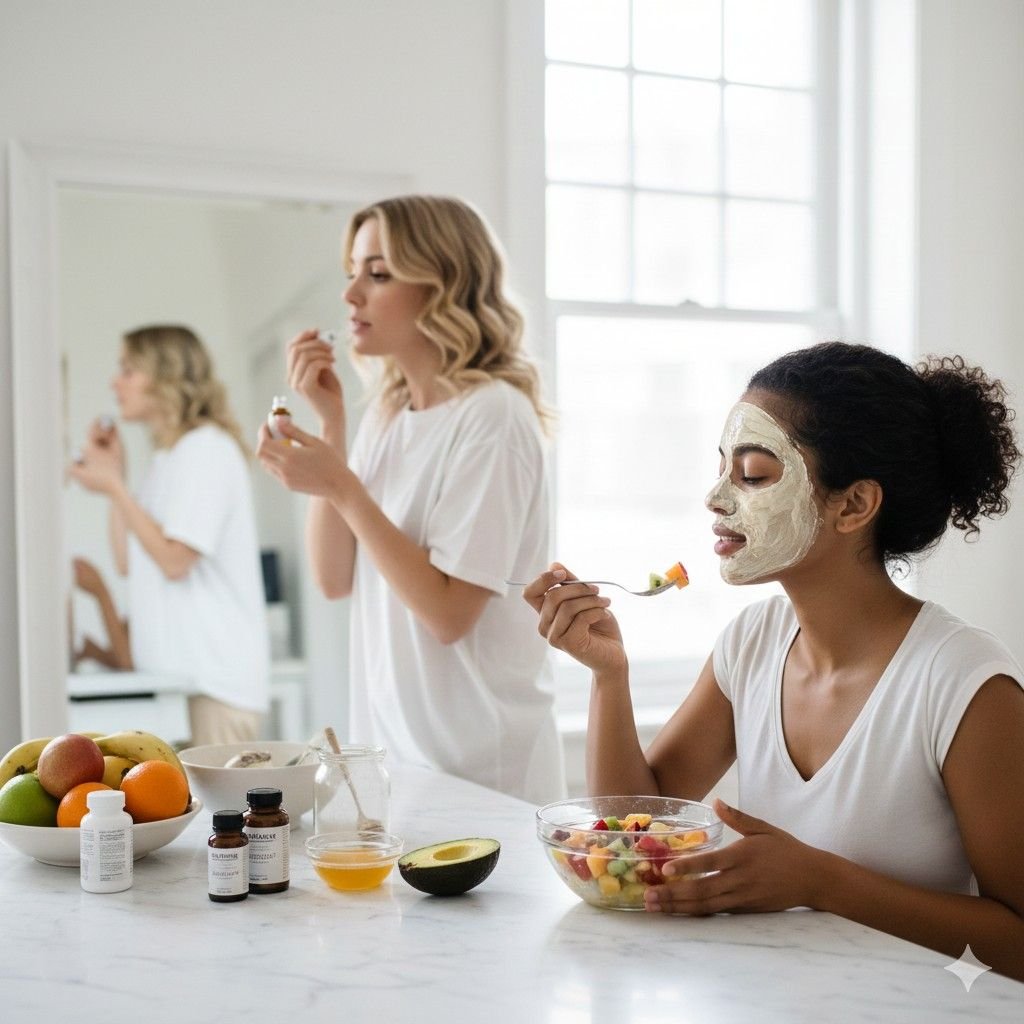
Your skin is an organ, and its health starts from within. Getting enough vitamin c internally is non-negotiable.
Foods Rich in Vitamin C: Your Natural Source
You don’t need a pill to get your daily dose. Foods rich in vitamin c are abundant and easily accessible.
• Citrus Fruits Rich in Vitamin C: While oranges are famous, bell peppers, kiwi, and strawberries often contain more.
• High Vitamin C Containing Foods: Guava, broccoli, and kale are excellent sources.
• Orange Fruit Vitamin C: A single orange provides a significant portion of your daily needs.
Vitamin C Supplements: When to Take Them
Vitamin c supplement options like pills, gummies, or powder are popular, especially for immune support.
• When to Use: If you have a vitamin c deficiency symptoms or are looking for an immune boost.
• Safety: While generally safe, you must be aware of the risks.
Safety & Side Effects (What You Must Know)
The most common questions revolve around safety: can you take too much it and how much vitamin c is too much?
Vitamin C Side Effects and Overdose
• Topical Side Effects: Redness, stinging, or a slight orange tint if the serum has oxidized. If your serum has turned dark brown, throw it out.
• Oral Side Effects: While a true overdose is rare, taking too much vitamin c supplements can lead to digestive issues like diarrhea, nausea, and stomach cramps. The body simply excretes the excess.
• The Limit: The recommended daily intake is around 75-90mg, but the upper limit is 2000mg. You are highly unlikely to reach this limit through diet alone.
The DIY/Safe Alternative
For those who prefer a natural approach, or whose skin is too sensitive for high-potency serums, there are safe, effective alternatives.
A Critical Warning: NEVER apply pure lemon juice directly to your face. The pH is too low, and the phototoxicity can cause severe burns and hyperpigmentation when exposed to the sun. The Safest DIY Vitamin C Mask
The goal of a DIY mask is to provide a gentle dose of antioxidants and a mild exfoliation without damaging the skin barrier.
• The Recipe (Gentle Brightening Mask):
• 1 teaspoon Oatmeal (finely ground, for gentle exfoliation and soothing properties)
• 1 teaspoon Plain Yogurt (contains Lactic Acid for mild exfoliation)
• How to Use: Mix ingredients, apply to clean skin for 10 minutes, and rinse with cool water. Use once a week.
to learn how to pair this powerful antioxidant with other actives, read our guide: The Niacinamide Layering Guide.
Conclusion:
Vitamin C is a game-changer for your skin, but success lies in strategy.
1. Choose the Best Serum: Invest in a stable formula and store it correctly.
2. Eat Your Vitamins: Prioritize foods high in vitamin c for internal health.
3. Be Safe: Know the signs of oxidation and the limits of oral intake.
By following this guide, you can confidently use Vitamin C to achieve the brighter, healthier skin you deserve.