Is your hair thinning, shedding more than usual, or just not growing as fast as you’d like? You’re not alone. While many factors contribute to hair health, your nutritional intake plays a foundational role. In fact, a deficiency in key vitamins and minerals is one of the most common and reversible causes of hair loss.
But with so many supplements promising miraculous results, it’s hard to know what actually works.
This guide cuts through the noise. We will explore the top 5 vitamins and minerals scientifically proven to support hair growth, explain the signs of a deficiency, and provide actionable advice to help you nourish your hair from the inside out.
Do Hair Growth Vitamins Actually Work?
Yes, hair growth vitamins and supplements can work, but only if you are deficient in them. Your hair follicles are tiny but metabolically active organs that require a steady supply of nutrients to build strong hair. If your body is lacking a specific vitamin, your hair growth will suffer.
Taking a supplement can correct that deficiency and restore normal hair growth.
However, if you already get enough of these vitamins from your diet, taking extra won’t supercharge your growth beyond its natural potential. The key is to identify and address a potential deficiency.
1. Biotin (Vitamin B7): The Famous Hair Growth Vitamin
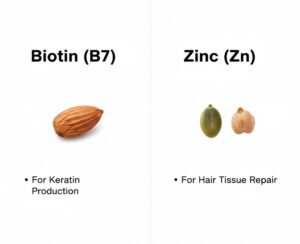
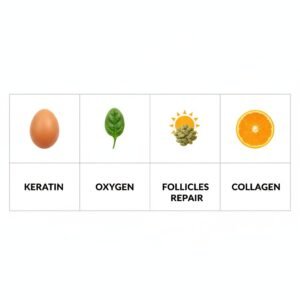
Biotin is perhaps the most well-known supplement marketed for hair health. It plays a vital role in producing keratin, the protein that makes up your hair, skin, and nails.
How it supports hair: A true biotin deficiency can cause significant hair loss. Supplementing with biotin can help correct this and is most effective for individuals who are clinically deficient. While a true deficiency is rare in people with a balanced diet, some studies show it can improve hair quality even in those without one.
- Thinning hair or hair loss
- Red, scaly rash around the eyes, nose, and mouth
- Brittle nails
- Eggs (especially the yolk)
- Almonds, walnuts, and other nuts
- Salmon
- Avocados
- Sweet potatoes
2. Iron: The Essential Mineral for Hair Follicles
Iron is a critical mineral that helps red blood cells carry oxygen throughout your body, including to your hair follicles. When your body doesn’t have enough iron, a condition known as iron-deficiency anemia, it can lead to significant hair shedding. This is one of the most common causes of hair loss, especially in women.
How it supports hair: Adequate iron levels ensure your hair follicles get the oxygen-rich blood they need to function and grow properly. Correcting an iron deficiency can halt hair loss and help in the regrowth process.
- Fatigue and weakness
- Pale skin
- Shortness of breath
- Noticeable hair shedding
- Red meat, poultry, and fish
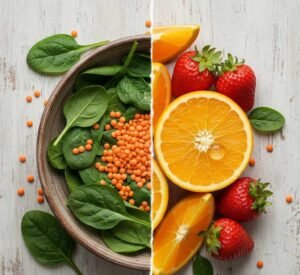
- Spinach and other leafy greens
- Lentils and beans
- Fortified cereals
Important Note: Always consult a doctor before supplementing with iron, as excessive iron can be toxic. A simple blood test can confirm if you have a deficiency.
3. Vitamin D: The Sunshine Vitamin’s Role in Hair
You might know Vitamin D for its role in bone health, but emerging research shows it’s also crucial for hair. Vitamin D helps to create new hair follicles, which are the tiny pores from which new hairs grow.
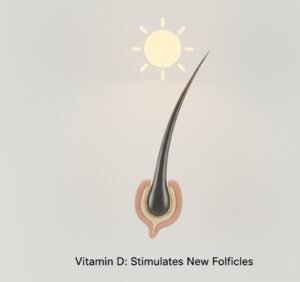
How it supports hair: When you don’t have enough Vitamin D, your body’s ability to stimulate new and existing hair follicles can be impaired. A deficiency is directly linked to alopecia areata, an autoimmune condition that causes patchy hair loss, and may play a role in other forms of shedding.
- Hair loss
- Fatigue
- Bone and back pain
- Getting sick often
- Sunlight exposure (your body produces it naturally)
- Fatty fish like salmon and mackerel
- Fortified milk and orange juice
- Mushrooms
4. Zinc: The Unsung Hero for Hair Repair
Zinc is a vital mineral that plays a major role in hair tissue growth and repair. It also helps keep the oil glands around the follicles working correctly, which is crucial for
maintaining a healthy scalp. In fact, an imbalanced scalp environment can lead to issues like dandruff, which itself can contribute to hair shedding. Hair loss is a classic symptom of a zinc deficiency, and studies show that supplementing with zinc can reduce shedding caused by a lack of it.
How it supports hair: Zinc is essential for the function of hundreds of enzymes in your body, including those involved in the cell division and protein synthesis required for hair growth.
- Hair loss
- Poor appetite
- Slow wound healing
- Decreased sense of taste or smell
- Oysters (the most potent source)
- Beef and poultry
- Pumpkin seeds
- Lentils
- Chickpeas
5. Vitamin C: The Powerful Antioxidant for Collagen
Vitamin C is a powerful antioxidant that helps protect against the oxidative stress caused by free radicals, which can damage hair follicles and block growth. More importantly, your body needs
Vitamin C to create a protein known as collagen.
How it supports hair: Collagen is a key part of the hair’s structure. As you age, collagen production decreases, which can lead to weaker hair. Additionally, Vitamin C helps your body absorb iron, making it a crucial partner to the iron in your diet.
- Dry, splitting hair
- Rough, bumpy skin
- Easy bruising
- Bleeding gums
- Oranges and other citrus fruits
- Strawberries
- Bell peppers
- Broccoli
- Kiwis
Summary: A Holistic Approach to Hair Health
While the promise of a single miracle pill for long, luscious hair is tempting, the reality is that healthy hair growth is an inside job. Vitamins like Biotin, Iron, Vitamin D, Zinc, and Vitamin C are scientifically proven to be essential building blocks for your hair follicles. Addressing a deficiency in any of these key nutrients is one of the most effective steps you can take to reduce shedding and support healthy regrowth.
Remember to focus on a balanced diet first and consult with a healthcare professional before starting any new supplement, especially iron. By combining proper nutrition with a gentle hair care routine, you create the optimal environment for your hair to thrive.
Frequently Asked Questions (FAQ)
Q: How long does it take for hair vitamins to work?
A: Be patient. Hair grows slowly, about half an inch per month. You will likely need to take a supplement consistently for at least 3-6 months before you see a noticeable improvement in hair thickness or a reduction in shedding.
Q: What vitamins are you lacking if your hair is falling out?
A: The most common culprits are Iron, Vitamin D, and Zinc. However, a deficiency in Biotin or other B-vitamins can also contribute. If you are experiencing significant hair loss, it is best to consult a doctor for blood tests to identify the exact cause.
Q: Can I just take a multivitamin?
A: A general multivitamin can help cover your bases, but if you have a significant deficiency in a specific nutrient like iron, you may need a higher, targeted dose prescribed by a healthcare professional.