Introduction: Your Path to an Even-Toned Glow
Are you struggling with stubborn dark spots, uneven patches, or the lingering marks left behind by acne? If so, you’re not alone. This common skin concern is called hyperpigmentation, and it’s one of the biggest obstacles standing between you and clear, glowing skin.
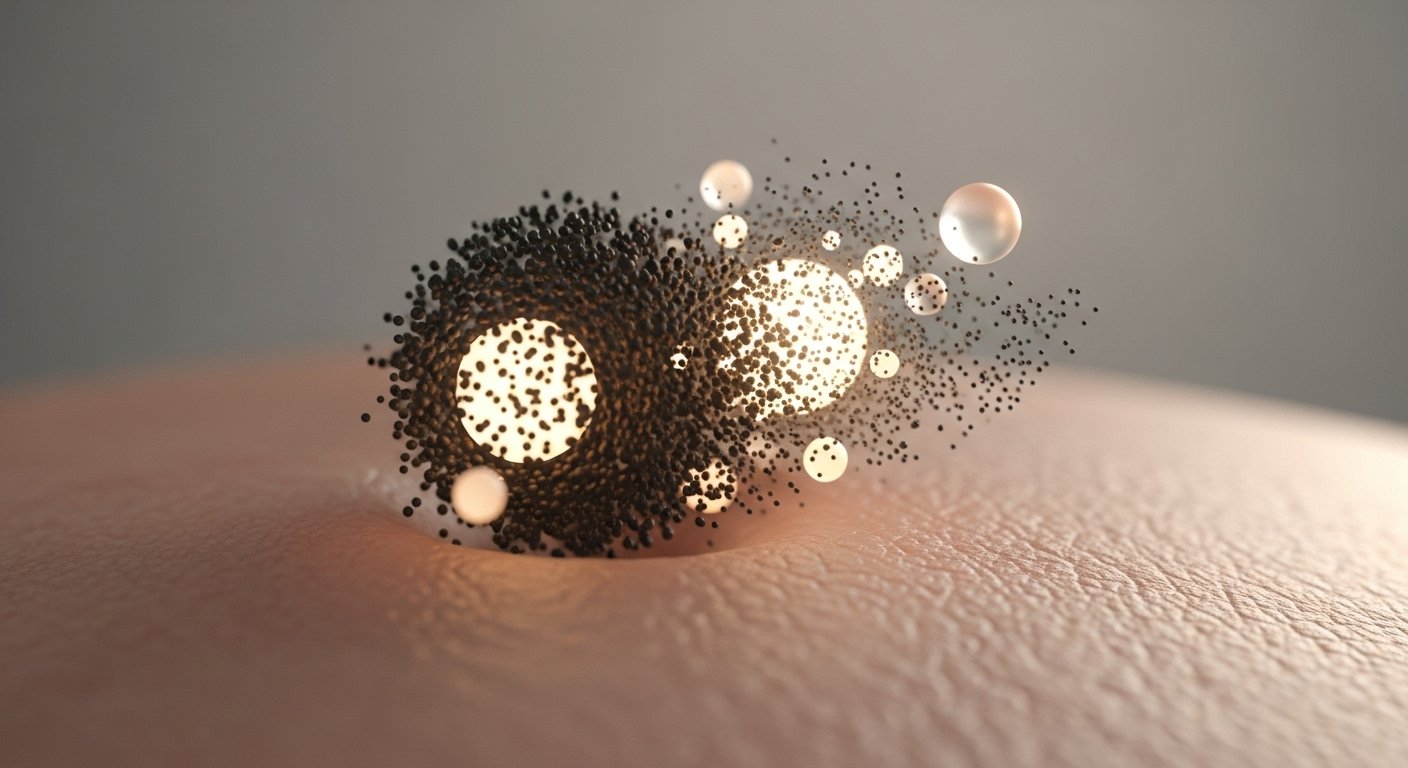
Hyperpigmentation is simply the overproduction of melanin—the natural pigment that gives our skin, hair, and eyes their color. When certain cells called melanocytes go into overdrive, they create excess pigment, resulting in spots or patches that are darker than the surrounding skin.
While it can be a frustrating and persistent issue, the good news is that with the right knowledge and a consistent routine, you can significantly fade hyperpigmentation and prevent new spots from forming. This is your science-backed guide to understanding, treating, and conquering it for good.
The Different Faces of Hyperpigmentation: What Type Do You Have?
Not all dark spots are created equal. Identifying the type of hyperpigmentation you have is the first step toward treating it effectively.
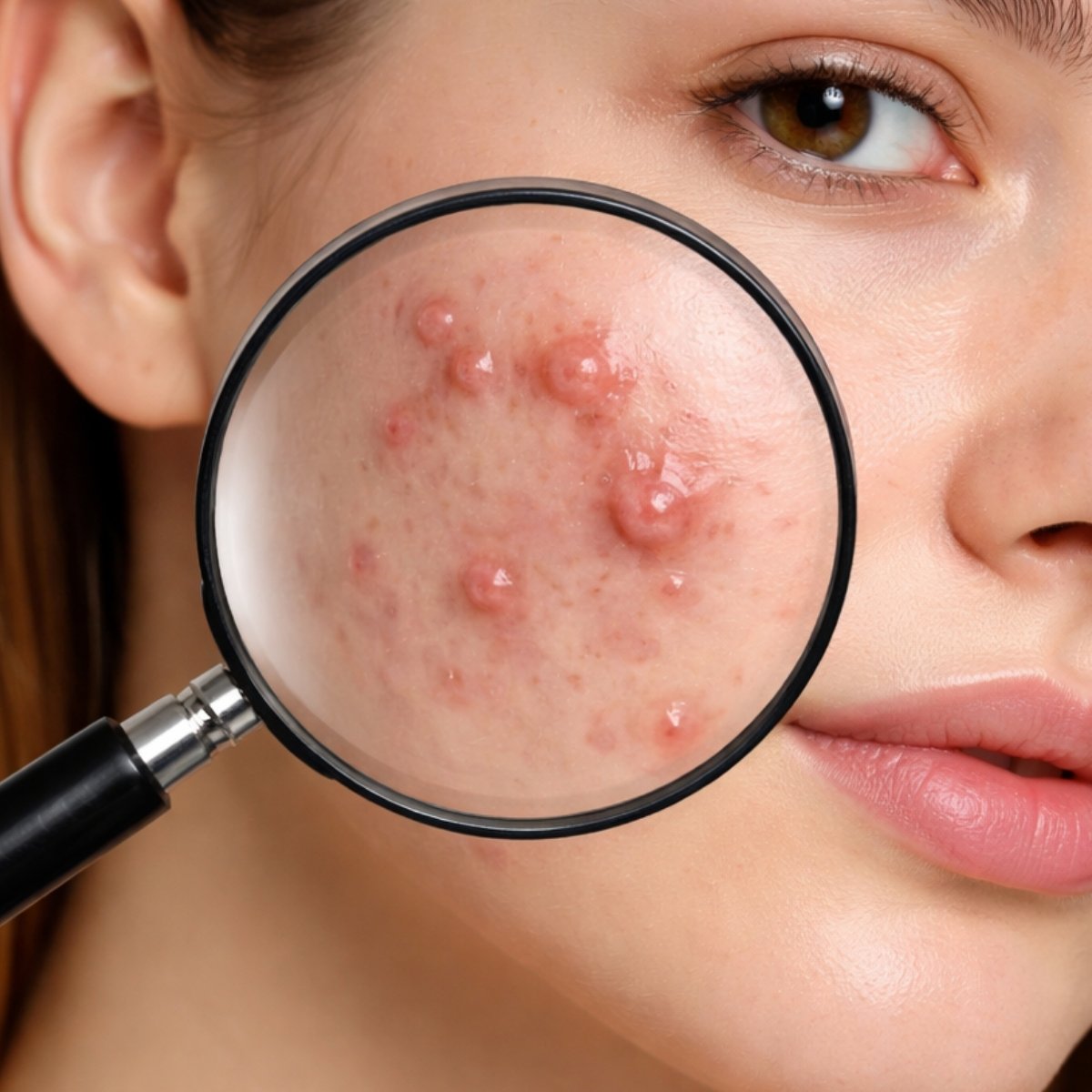
- Post-Inflammatory Hyperpigmentation (PIH): This appears as flat red, pink, brown, or black spots left behind after your skin has experienced inflammation. The most common cause is acne, but it can also result from a scratch, bug bite, or even a harsh skincare reaction. It can affect all skin tones but is often more intense and longer-lasting in deeper skin tones.
- Sun Spots (Solar Lentigines): Also known as age spots or liver spots, these are flat, oval-shaped brown spots that appear on areas of the body most exposed to the sun, like the face, hands, and shoulders. They are a direct result of cumulative UV exposure over many years.
- Melasma: This type appears as larger patches of brown or grayish-brown discoloration, often symmetrically on the face (cheeks, forehead, upper lip). Melasma is primarily triggered by hormonal fluctuations, which is why it’s common during pregnancy (often called “the mask of pregnancy”) or among those taking birth control pills. Sun exposure is a major factor that can trigger or worsen melasma.
The Science: What Causes Dark Spots to Form?
At its core, hyperpigmentation is a protective response. When your skin senses an attack—whether from UV radiation, inflammation, or hormonal signals—it triggers your pigment-producing cells (melanocytes) to create more melanin to shield the skin’s DNA.
Think of it like this:
- The Trigger: Sun exposure, an acne pimple, or a hormonal surge sends a stress signal.
- The Response: An enzyme called tyrosinase activates the melanocytes.
- The Result: These activated cells produce and transfer excess melanin to the surface skin cells (keratinocytes), creating a visible dark spot.
Effective treatments work by interrupting this process at different stages—either by blocking the trigger, inhibiting the enzyme, or speeding up the shedding of the darkened skin cells.
The Best Ingredients for Fading Hyperpigmentation
This is where science meets skincare. Building a routine with the right active ingredients is your most powerful tool for fading discoloration.
- Vitamin C (The Brightener): A potent antioxidant that not only protects skin from UV damage but also inhibits tyrosinase, the enzyme responsible for melanin production. It’s excellent for overall brightness and preventing new spots.
- Retinoids (The Resurfacer): This family of Vitamin A derivatives (including retinol and prescription tretinoin) works by accelerating skin cell turnover. This pushes the darkened, pigmented cells to the surface so they can be shed more quickly, revealing fresh, even-toned skin underneath.
- Niacinamide (The Transporter): This versatile B vitamin works by blocking the transfer of pigment from the melanocytes to the surface skin cells. It’s also anti-inflammatory and strengthens the skin barrier, making it a fantastic supporting ingredient for all skin types.
- Azelaic Acid (The Gentle Multi-Tasker): A derm-favorite for treating both acne and hyperpigmentation. It gently exfoliates, calms inflammation (perfect for PIH), and helps inhibit melanin production. It’s one of the few ingredients considered safe to use during pregnancy.
- Alpha Hydroxy Acids (AHAs): Ingredients like glycolic acid and lactic acid work by dissolving the “glue” that holds dead skin cells together on the surface. This exfoliation helps fade existing surface-level spots and improves overall skin radiance.
- Tyrosinase Inhibitors (The Blockers): Ingredients like Alpha Arbutin, Kojic Acid, and Licorice Root Extract are specialists. They directly target and inhibit the tyrosinase enzyme, effectively putting the brakes on melanin production.
Building Your Anti-Hyperpigmentation Skincare Routine
Consistency is everything. Here is a sample routine framework to effectively incorporate these ingredients.
Morning (AM) Routine: Protect & Prevent
- Gentle Cleanser: Start with a clean base.
- Vitamin C Serum: Apply to dry skin to provide antioxidant protection throughout the day.
- Moisturizer: Hydrate and support your skin barrier.
- SUNSCREEN (SPF 30+ or higher): This is the most important step. Without it, all your other efforts are wasted. Sun exposure will create new spots and darken existing ones. Reapply every 2 hours if you are outdoors.
Evening (PM) Routine: Treat & Repair
- Cleanser: Wash away makeup, sunscreen, and impurities from the day.
- Treatment Serum: This is where you use your powerhouse active. Choose one per night to start (e.g., a retinoid, azelaic acid, or an AHA toner).
Do not layer multiple strong actives on the same night to avoid irritation. - Moisturizer: Lock in hydration and buffer any potential irritation from your treatment.
Professional Treatments: When to See a Dermatologist
If your hyperpigmentation is severe or isn’t responding to at-home care after several months, it may be time to consult a board-certified dermatologist. They can offer more powerful treatments like:
- Prescription-strength retinoids (Tretinoin) or hydroquinone.
- Chemical Peels: Using higher concentrations of acids to deeply exfoliate the skin.
- Laser Therapy (e.g., IPL, Fraxel): Using focused light to break down pigment in the skin.
- Microneedling: Creating micro-injuries to stimulate collagen and improve cell turnover.
The Golden Rules: What NOT to Do
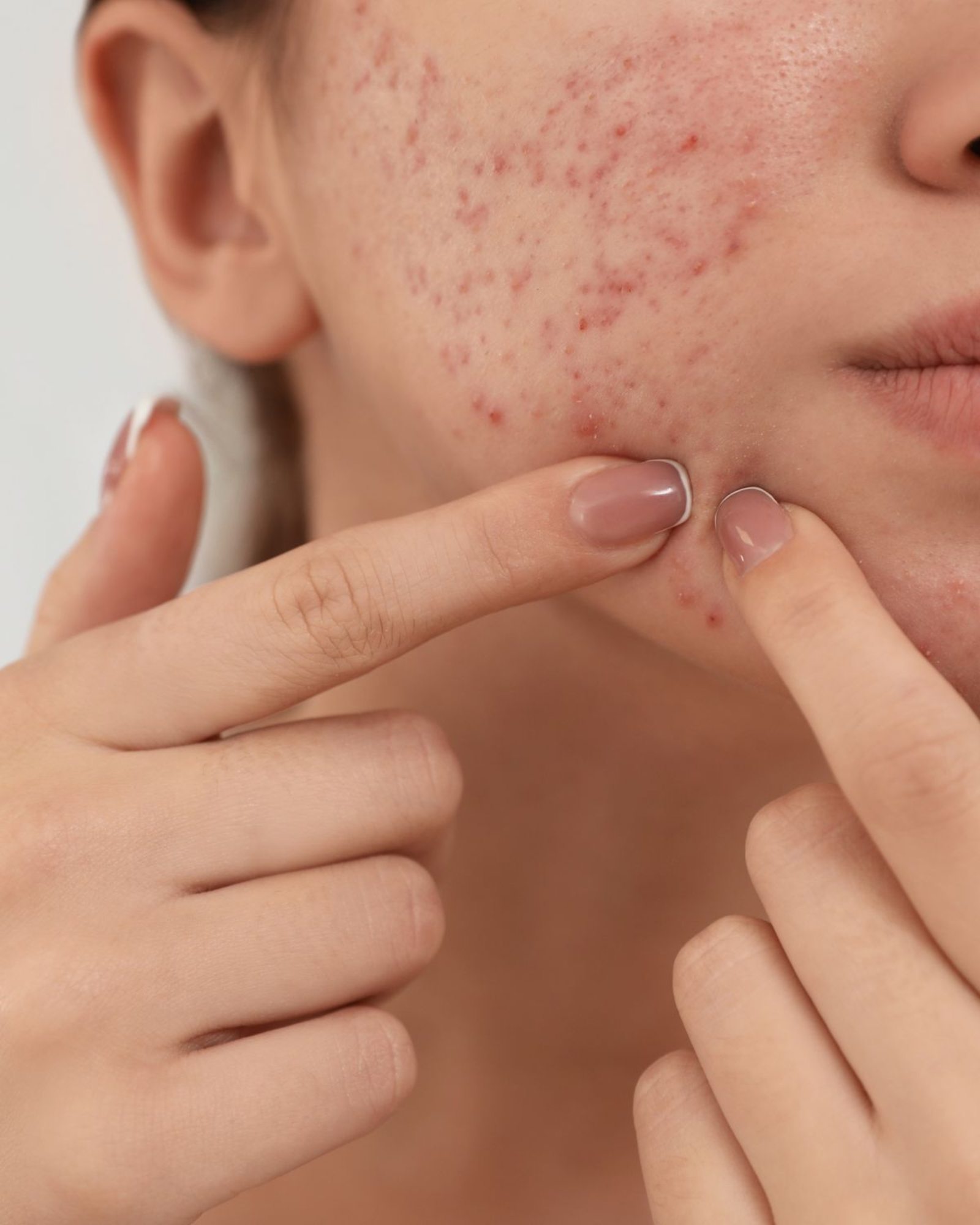
- Don’t Pick Your Skin: Squeezing pimples or picking at scabs creates inflammation, which is a direct ticket to post-inflammatory hyperpigmentation (PIH).
- Don’t Over-Exfoliate: Using too many acids or scrubbing too hard can damage your skin barrier, leading to irritation and more hyperpigmentation. Introduce actives slowly.
- Don’t Expect Overnight Results: Fading hyperpigmentation is a marathon, not a sprint. It takes at least 30-60 days for your skin to turn over, so be patient and consistent for several months to see significant results.
Conclusion: Your Path to a Clear, Even-Toned Glow
Treating hyperpigmentation requires a three-pronged approach: protecting your skin from the sun, treating it with targeted ingredients, and having the patience to see it through.
By understanding the science behind your dark spots, choosing the right ingredients for your routine, and committing to daily sun protection, you are putting yourself on the fast track to achieving the clear, even, and glowing skin you deserve.