If you’ve spent any time in the skincare aisle recently, you’ve seen it everywhere: Niacinamide.
This powerhouse ingredient has gone from a quiet dermatologist secret to a global skincare phenomenon, and for good reason. It’s one of the few ingredients that can genuinely tackle almost every common skin concern, from stubborn acne to visible signs of aging.
This powerhouse ingredient has gone from a quiet dermatologist secret to a global skincare phenomenon, and for good reason. It’s one of the few ingredients that can genuinely tackle almost every common skin concern, from stubborn acne to visible signs of aging.
But what exactly is this miracle worker, and what does it do for your skin?
Niacinamide is a form of Vitamin B3, an essential nutrient that your body—and your skin—needs to function optimally. Unlike some other active ingredients that focus on one problem, Niacinamide is a true multi-tasker, working with your skin’s natural chemistry to improve its overall health and appearance.
Let’s dive into the 7 proven niacinamide benefits that make it a non-negotiable part of a healthy skincare routine.

What is Niacinamide (Vitamin B3)?
Before we explore the benefits, it’s important to understand the science. Niacinamide is the amide form of Vitamin B3 (also known as nicotinic acid). When applied topically, it is easily absorbed by the skin and helps convert energy into cellular processes. This is why it’s so effective: it doesn’t just mask problems; it helps your skin cells function better.
The 7 Proven Niacinamide Benefits for Your Skin
This is where Niacinamide truly shines. It’s a versatile ingredient that addresses multiple concerns simultaneously.
The Pore Minimizer
One of the most common reasons people search for Niacinamide is its ability to visibly reduce the appearance of enlarged pores. While it doesn’t physically shrink your pores (nothing can), it helps them appear smaller by regulating oil flow and strengthening the pore walls. Here is NIH study show niacinamide benefit for minimizing pores.
2. The Acne Fighter and Oil Regulator
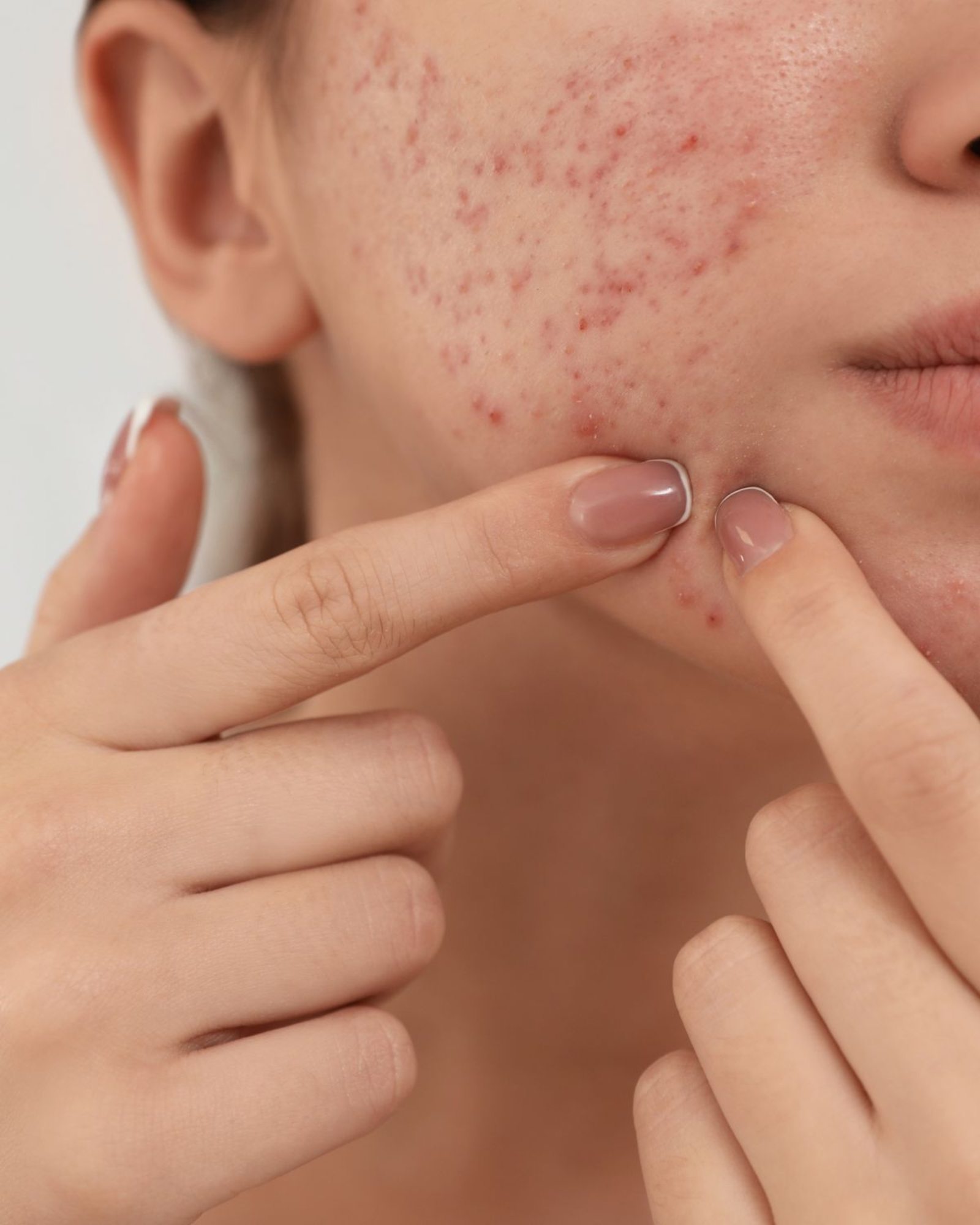
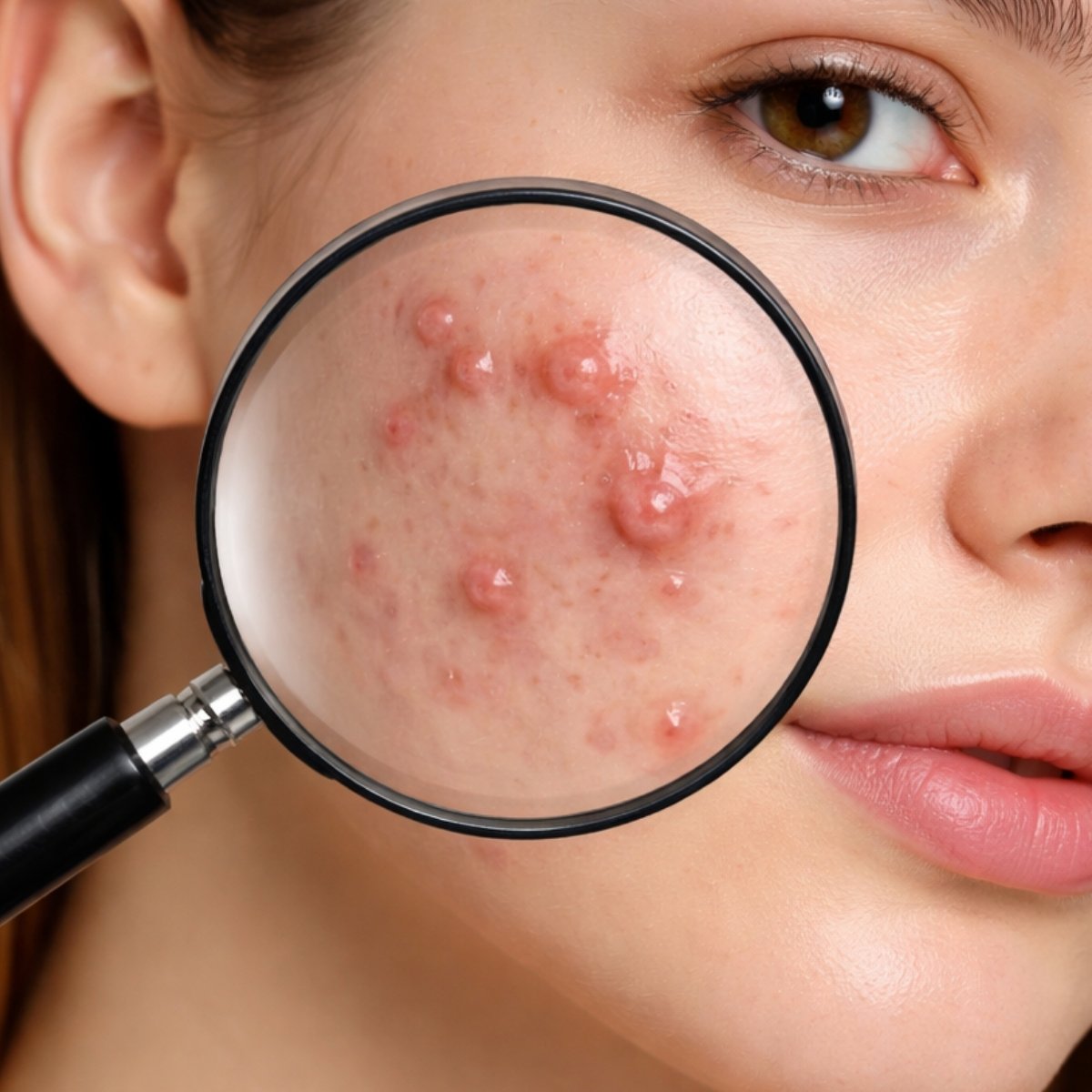
If you struggle with breakouts, Niacinamide is your ally. It has powerful anti-inflammatory properties that help calm the redness and swelling associated with acne. More importantly, it helps normalize the skin’s oil production (sebum), which is a primary cause of clogged pores and breakouts. This makes it an ideal partner for other acne treatments like Salicylic Acid.
3. The Skin Barrier Builder
Your skin barrier is your first line of defence against environmental damage and moisture loss. Niacinamide boosts the production of ceramides, which are essential lipids that hold your skin cells together. A stronger barrier means less sensitivity, less redness, and better moisture retention.
4. The Redness and Rosacea Reducer
Thanks to its anti-inflammatory action, Niacinamide is highly effective at reducing generalized facial redness and blotchiness. For those with mild rosacea or persistent redness, consistent use can lead to a noticeably calmer complexion.
5. The Dark Spot and Hyperpigmentation Eraser
Niacinamide works to fade dark spots, sun spots, and post-acne marks (PIH) by interfering with the transfer of pigment (melanin) to the skin’s surface cells. It doesn’t bleach the skin; it simply helps prevent new pigment from showing up, leading to a more even skin tone over time.
6. The Hydration Helper
While it’s not a primary hydrator like Hyaluronic Acid, Niacinamide supports hydration by preventing transepidermal water loss (TEWL). By strengthening the barrier, it locks in the moisture you already have, keeping your skin plump and dewy.
7. The Anti-Aging Ally
As an antioxidant, Niacinamide helps fight free radical damage caused by UV rays and pollution. Furthermore, studies suggest it can stimulate collagen production, which helps reduce the appearance of fine lines and wrinkles over time.
Common Concerns: Dosage and Side Effects
When introducing any new active ingredient, it’s natural to have questions.
• What Concentration is Best?
Most dermatologists recommend starting with a 2% to 5% concentration. While 10% serums are popular, higher concentrations can sometimes cause irritation, especially for sensitive skin. More is not always better.
Most dermatologists recommend starting with a 2% to 5% concentration. While 10% serums are popular, higher concentrations can sometimes cause irritation, especially for sensitive skin. More is not always better.
• Can Niacinamide Cause Acne?
In rare cases, some people experience a temporary flush or mild irritation when starting, which can sometimes be mistaken for a breakout. This is usually due to a high concentration or a sensitivity to other ingredients in the formula. If irritation persists, stop use and consult a dermatologist. However high concentration of niacinamide can be harmful.
In rare cases, some people experience a temporary flush or mild irritation when starting, which can sometimes be mistaken for a breakout. This is usually due to a high concentration or a sensitivity to other ingredients in the formula. If irritation persists, stop use and consult a dermatologist. However high concentration of niacinamide can be harmful.
Ready to experience the multi-tasking power of Niacinamide? Start with a simple 5% serum applied once a day.
Don’t forget to check out our next article, where we answer the most common question
Conclusion
Niacinamide is truly one of the most versatile and well-researched ingredients in modern skincare. Its ability to simultaneously tackle oiliness, acne, redness, and aging makes it a cornerstone of any effective routine. By supporting your skin’s natural functions, it helps you achieve a healthier, more resilient, and visibly smoother complexion.
The key to success is consistency and knowing how to use it correctly.
Read the essential follow-up guide: The Niacinamide Layering Guide: What to Mix, What to Avoid, and When to Apply.