The Gold Standard of Skincare
If there is one ingredient that has earned its reputation as the gold standard of anti-aging and acne treatment, it is Retinol. It is the most studied and most recommended topical ingredient by dermatologists worldwide.
But Retinol is also the most misunderstood. The fear of the dreaded retinol purge, the confusion over the different forms (retinol vs retinoid), and the risk of a painful retinol burn often stop people from experiencing its incredible benefits.
This comprehensive guide is your complete roadmap. We will demystify the science, explain the different forms, show you how to use it safely, and even explore the best natural alternatives.
The Science of the Serum (Topical Application)
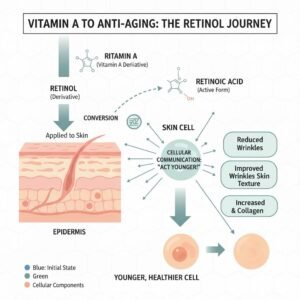
Retinol is a derivative of Vitamin A. When applied to the skin, it converts into its active form, retinoic acid, which communicates with your skin cells, telling them to behave like younger, healthier cells.
What Does Retinol Do for Your Skin? (The Benefits)
The core retinol benefits stem from its ability to accelerate cell turnover.
1. Anti-Aging: It stimulates collagen production, which visibly reduces the appearance of fine lines and wrinkles.
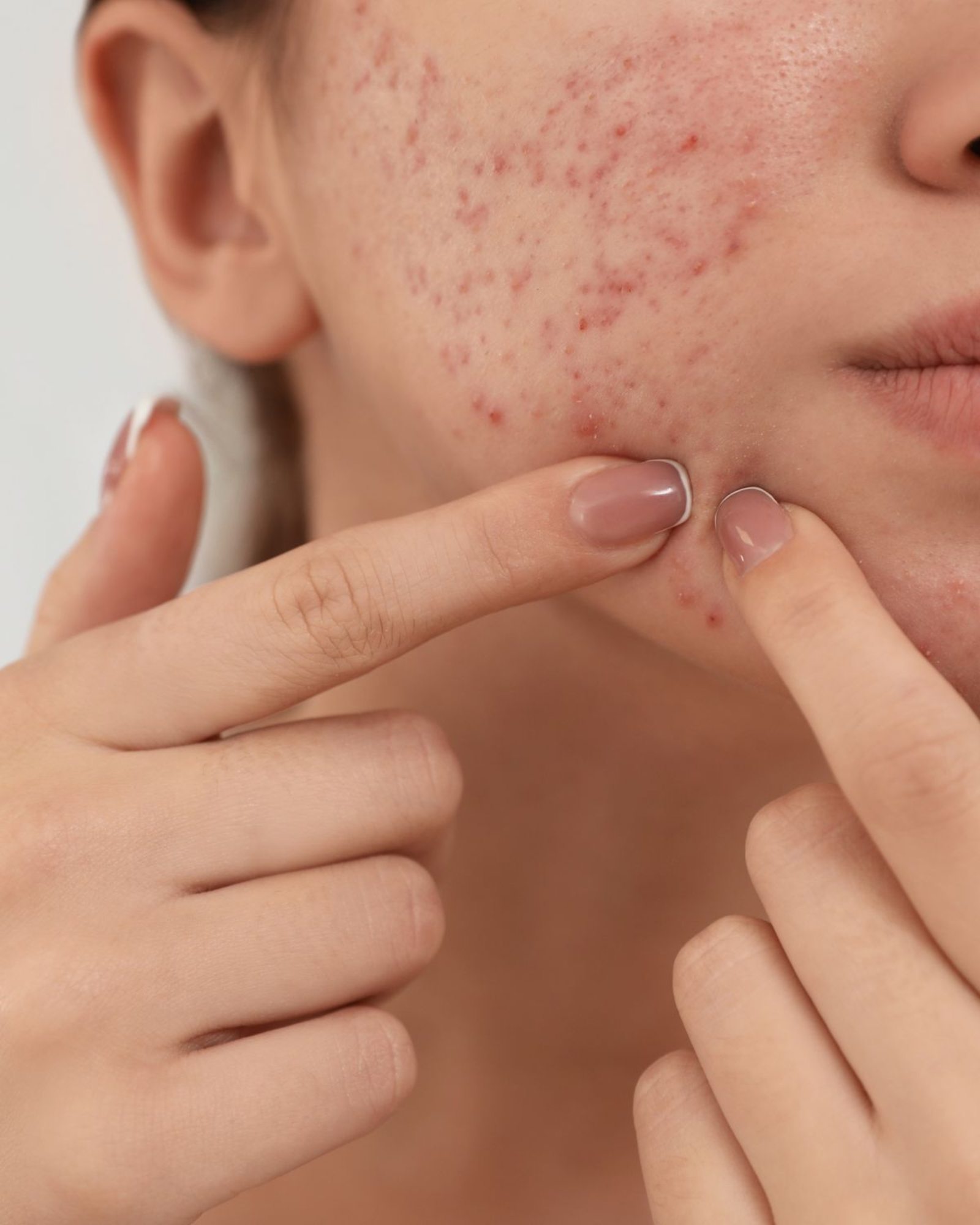
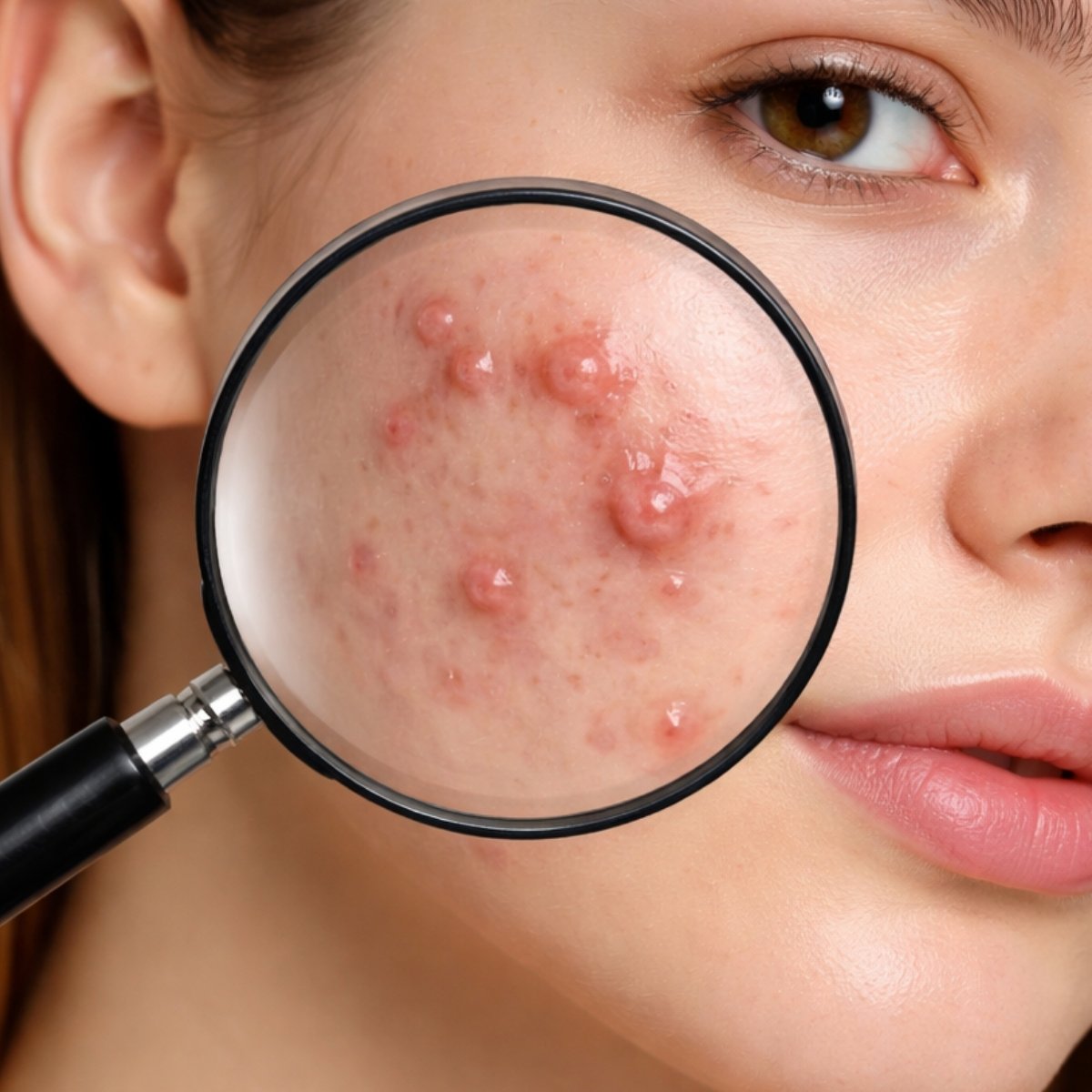
2. Acne Treatment: It prevents dead skin cells from clogging pores, making it highly effective for retinol acne and preventing future breakouts.
3. Texture and Tone: It exfoliates the skin, smoothing texture and fading hyperpigmentation and dark spots.
The Retinoid Family Tree: Retinol vs. Retinal vs. Tretinoin
Not all retinoids are created equal. They are measured by how many conversion steps they take to become retinoic acid (the active form).
Form | Conversion Steps | Potency | Availability | |
Retinyl Esters | 3 | Lowest | Over-the-counter (OTC) | |
Retinol | 2 | Medium | Over-the-counter (OTC) | |
Retinaldehyde (Retinal) | 1 | High | Over-the-counter (OTC) | |
Tretinoin | 0 | Highest | Prescription Only |
How to Use Retinol Safely (Avoiding the Purge)
The key to success is the “low and slow” method.
1. Start Low: Begin with a low concentration (0.2% to 0.5%) and use it only 1-2 nights per week.
2. The Sandwich Method: Apply a layer of moisturizer before and after your Retinol to buffer its effects and minimize irritation.
3. The Purge: The retinol purge is a temporary phase (usually 2-6 weeks) where your skin breaks out as the Retinol accelerates the turnover of existing clogs. It is a sign that the product is working.
Layering Retinol: The Essential Pairings
You must be strategic about what you use with Retinol.
• The Best Buffer: Niacinamide is Retinol’s best friend. It strengthens the skin barrier, reducing the irritation and redness caused by Retinol.
• The Avoid List: Do not use it on the same night as Salicylic Acid or Glycolic Acid. This is a recipe for over-exfoliation and a damaged barrier.
• The Morning Must-Have: It makes your skin extremely sensitive to the sun. Sunscreen for retinol users is non-negotiable. Always use a broad-spectrum SPF 30+ every morning.
Vitamin A Rich Foods
Retinol is the active form of Vitamin A. While topical application is best for targeted skin issues, a diet rich in Vitamin A is crucial for overall skin and eye health.
Top 5 Vitamin A Rich Foods
1. Sweet Potatoes: One of the best sources of beta-carotene (which converts to Vitamin A).
2. Carrots: Another excellent source of beta-carotene.
3. Spinach and Kale: Dark, leafy greens are packed with Vitamin A.
4. Liver: The most concentrated source of pre-formed Vitamin A (Retinol).
5. Eggs and Dairy: Good sources of pre-formed Vitamin A.
The Gentle Alternative: Natural Retinol Substitutes
For pregnant or breastfeeding individuals, or those with extremely sensitive skin, a natural alternative is necessary.
Bakuchiol: The Retinol Alternative
Bakuchiol is a plant-derived ingredient that has been shown in studies to offer similar anti-aging benefits to Retinol (collagen stimulation and wrinkle reduction) without the irritation or sun sensitivity.
• Best For: Sensitive skin, morning use, or those who cannot use traditional retinoids.
Conclusion: Your Retinol Success Plan
Retinol is the single most powerful ingredient you can add to your routine, but it demands respect and patience. By understanding the different forms, starting slow, and always pairing it with sunscreen, you can successfully navigate the initial purge and unlock its transformative benefits.
To ensure you are layering all your actives correctly, read our guide: The Niacinamide Layering Guide: What to Mix, What to Avoid, and When to Apply.