Snail mucin is one of the most viral skincare ingredients right now. It helps hydrate the skin, repair the skin barrier, and improve texture over time. It’s especially useful for dry, sensitive, and damaged skin but not a complete solution for every skin concern.
In this guide, you’ll learn what it actually does, who should use it, and when it’s just hype.
What Is Snail Mucin?
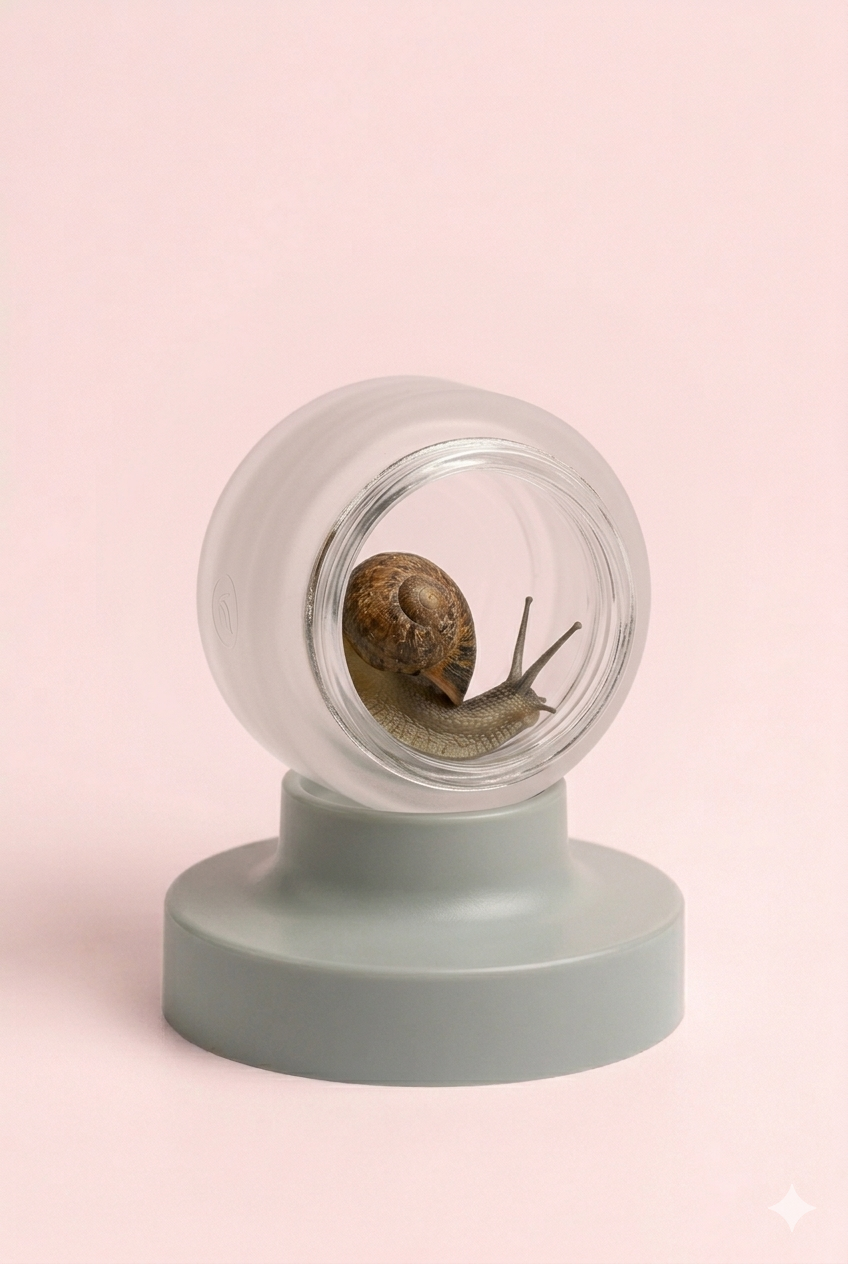
Snail mucin, also known as snail secretion filtrate, is a purified ingredient derived from snail secretion. In skincare, it’s used for its healing, hydrating, and skin-repairing properties. It became popular through Korean skincare, but today it’s widely used in serums, essences, and creams.
Key Components in Snail Mucin
- Hyaluronic Acid – deeply hydrates and retains moisture
- Glycoproteins – support skin repair and regeneration
- Peptides – boost collagen production
- Allantoin – soothes irritation and promotes healing
Studies referenced in dermatological literature suggest that snail mucin can support wound healing and skin regeneration, especially in compromised skin.
Snail Mucin Benefits for Skin (Backed by Science)
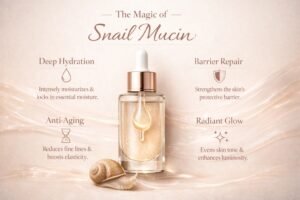
Deep Hydration for Dry Skin
Snail mucin works as a humectant, meaning it helps the skin hold moisture. It hydrates well, but if you have super dry skin, you can use any other humectants like urea.
Skin Barrier Repair & Healing
This is where snail mucin performs best.
It helps:
- Reduce redness
- Calm irritation
- Support healing after acne or damage
👉 You’ll notice improvement in 1–2 weeks with consistent use.
Anti-Aging Benefits
Peptides improve skin elasticity and reduce fine lines over time.
Acne & Scars Healing
Snail mucin:
- Doesn’t treat active acne strongly
- But helps heal acne marks faster
👉 Think of it as a repair ingredient, not a treatment ingredient.
Subtle Glow (Glass Skin Effect)
With consistent hydration and repair:
- Skin looks smoother
- Light reflects better
- You get that “glass skin” look
Snail Mucin for Different Skin Types
Snail Mucin for Dry Skin
✔️ Helps with hydration
✔️ Supports barrier repair
👉 Apply on damp skin for better results
Snail Mucin for Oily Skin
✔️ Lightweight and non-greasy
✔️ Doesn’t clog pores
👉 Good for hydration without heaviness
Snail Mucin for Sensitive Skin
✔️ Soothing and calming
👉 But always patch test — sensitivity varies
Snail Mucin vs Other Hydrating Ingredients
This is where most blogs fail — so let’s be real:
Snail Mucin vs Hyaluronic Acid
- HA = strong hydration (surface level)
- Snail mucin = hydration + repair
👉 Snail mucin is more multi-functional
Snail Mucin vs Glycerin
- Glycerin = stronger humectant
- Snail mucin = weaker hydration but adds healing
👉 Glycerin is better for dryness
Snail Mucin vs Panthenol
- Panthenol = better soothing + barrier repair
- Snail mucin = similar but less targeted
👉 Panthenol is often more reliable
Is Snail Mucin Actually Good for Skin or Just Hype?
Dermatologist Perspective
Dermatologists generally consider it:
✔️ Safe
✔️ Hydrating
✔️ Helpful for barrier repair
Reality Check
Snail mucin is:
✔️ Great for:
- Hydration
- Repair
- Sensitive skin
❌ Not enough for:
- Severe acne
- Deep pigmentation
- Anti-aging alone
👉 It’s a supporting ingredient, not a hero treatment
My Personal Experience with Snail Mucin
I have combination skin — slightly oily in some areas, dry in others — with concerns like dullness, whiteheads on the nose, and occasional acne.
Over time, I’ve tried a lot of skincare products from different brands. Some caused purging, while others simply didn’t suit my skin at all. So I was honestly a bit skeptical before trying snail mucin.
The first snail mucin product I used was from Blank Dusky and it was my first experience with this ingredient.
👉 The texture stood out immediately. It felt smooth, lightweight, and very different from typical serums.
Within the first few days, my skin started feeling softer and more hydrated. Over time, I noticed:
- Skin felt smoother and less rough
- Dullness improved gradually
- Acne marks started fading
- Overall texture looked more even
What impressed me the most was how gentle it felt — no irritation, no purging, and it worked well with my combination skin.
👉 If I had to rate the formulation, I’d honestly give it 10/10 based on my experience.
That said, it’s important to understand:
- Results were gradual, not instant
- It worked best when used consistently
- It didn’t replace active treatments for acne
But as a supporting ingredient for hydration, repair, and overall skin health, it made a noticeable difference.
Who Should Use Snail Mucin?
Dry or dehydrated skin
Damaged skin barrier
Post-acne healing
Beginners in skincare
Who Should Avoid It?
Vegan users
People with snail allergies
Those expecting fast results
Also not ideal as a main treatment for acne or pigmentation
Common Mistakes to Avoid
❌ Applying on dry skin
❌ Expecting instant results
❌ Using it as your only active
❌ Choosing low-quality formulas
Expert Tips to Get Better Results
✔️ Apply on damp skin
✔️ Pair with niacinamide or glycerin
✔️ Use sunscreen daily
✔️ Combine with actives for better results
Final Verdict
Snail mucin is a powerful ingredient that hydrates, repairs, and improves overall skin health. It works especially well for dry and sensitive skin but is suitable for most skin types.
If you’re building a skincare routine, adding snail mucin can help you achieve smoother, healthier, and glowing skin over time. 👉 Want a complete routine? Check out our guide on the best skincare routine for dry skin.