Causes of Fungal Acne: What Really Triggers It?
Fungal acne is one of the most misunderstood skin concerns. Many people treat it like regular acne for months, but the bumps do not go away. In some cases, they even get worse.
The reason is simple: fungal acne is not true acne. It is usually a condition called Malassezia folliculitis, where yeast overgrows inside the hair follicles. This can cause small, itchy, acne-like bumps on the skin.
Understanding the causes of fungal acne is important because the wrong treatment can delay healing. Regular acne products may help some people, but fungal acne often needs a different approach.
Quick Answer: What Causes Fungal Acne?
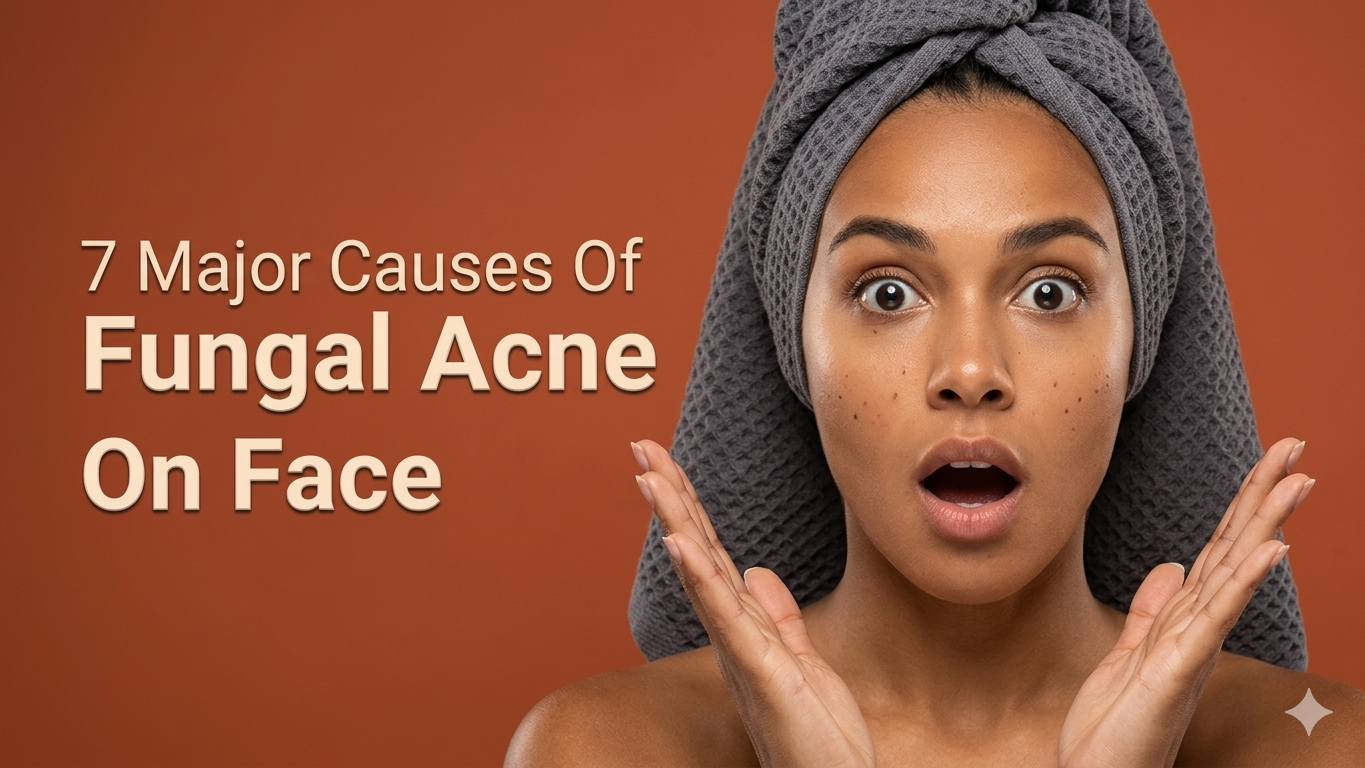
Fungal acne is mainly caused by an overgrowth of Malassezia yeast inside hair follicles. Common triggers include excess oil, sweating, hot and humid weather, tight clothing, antibiotic use, heavy skincare products, oily sunscreens, a weak skin barrier, and reduced immune control.
These triggers create a warm, oily, and moist environment where yeast can grow more easily.
What Is Fungal Acne?
Fungal acne is the common name for Malassezia folliculitis, also called Pityrosporum folliculitis. It happens when Malassezia yeast, which naturally lives on the skin, multiplies too much and causes inflammation inside hair follicles.
This condition can look like acne, but it is different from acne vulgaris. Regular acne is usually linked to clogged pores, oil, dead skin cells, and bacteria. Fungal acne is linked to yeast overgrowth.
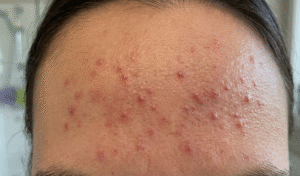
This difference matters because fungal acne may not improve with typical acne treatments. In fact, long-term antibiotic use can sometimes make it worse by disturbing the natural balance of microorganisms on the skin.
What Does Fungal Acne Look Like?
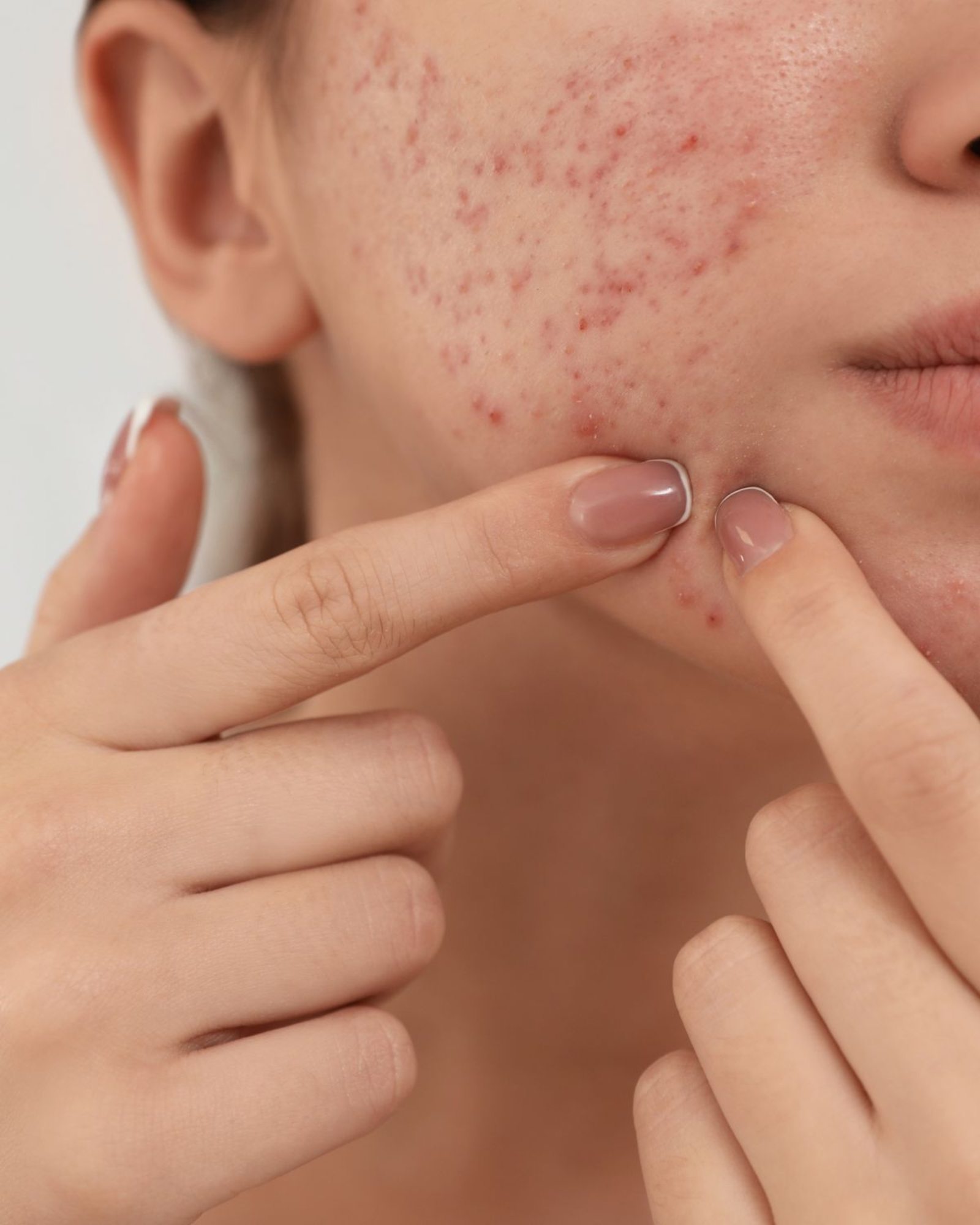
Fungal acne usually appears as small bumps that look very similar to each other. The bumps are often itchy and may appear in clusters.
It commonly appears on areas where the skin is oilier or sweatier, such as the forehead, chest, upper back, shoulders, and sometimes the neck. It may get worse after sweating, workouts, hot weather, or using heavy skincare products.
Fungal acne is often confused with regular acne, closed comedones, bacterial folliculitis, or heat rash. This is why proper diagnosis is important, especially if the bumps keep coming back. You can read here types of acne complete guide.
Fungal Acne vs Regular Acne
| Feature | Fungal Acne | Regular Acne |
|---|---|---|
| Main cause | Malassezia yeast overgrowth | Oil, clogged pores, bacteria, inflammation |
| Medical name | Malassezia folliculitis | Acne vulgaris |
| Appearance | Small, uniform bumps | Mixed bumps, blackheads, whiteheads, pimples, cysts |
| Itching | Common | Less common |
| Common areas | Forehead, chest, back, shoulders | Face, jawline, cheeks, back |
| Antibiotic response | May worsen or not improve | May improve if bacterial acne is involved |
| Main treatment approach | Antifungal-focused care | Acne-focused care |
If your bumps are itchy, same-sized, and do not respond to normal acne treatments, fungal acne may be one possible reason.
Main Causes of Fungal Acne
Fungal acne develops when Malassezia yeast gets the right conditions to overgrow. These conditions usually include oil, sweat, heat, moisture, and blocked follicles.
1. Overgrowth of Malassezia Yeast
The root cause of fungal acne is the overgrowth of Malassezia yeast. This yeast naturally lives on human skin and is not always harmful. Problems start when it multiplies too much inside hair follicles.
When the yeast overgrows, it can irritate the follicle and cause inflammation. This leads to small, itchy bumps that may look like acne but behave differently.
Cleveland Clinic explains that Malassezia folliculitis happens when yeast on the skin multiplies and infects hair follicles. Treatment often involves antifungal medications or creams. (Cleveland Clinic)
2. Excess Oil Production
Malassezia is a lipid-loving yeast, which means it grows well in oily environments. When the skin produces too much sebum, it can create better conditions for yeast growth.
This is one reason fungal acne may be more common in people with oily skin. It may also become worse during hormonal changes, humid weather, or when heavy products trap oil on the skin.
Excess oil alone does not always cause fungal acne. But when oil combines with sweat, heat, and blocked follicles, the risk becomes higher.
3. Hot and Humid Weather
Hot and humid weather is one of the biggest triggers for fungal acne. Heat increases sweating, and humidity keeps moisture on the skin for longer. This creates an environment where yeast can grow more easily.
Fungal acne may flare during summer, monsoon weather, or in tropical climates. People who sweat more during travel, outdoor work, exercise, or daily routines may notice more bumps on the forehead, chest, and back.
DermNet lists hot humid climate, high sebum production, sweating, occlusion, antibiotics, and immunosuppression as risk factors for Malassezia folliculitis. (DermNet®)
4. Sweating and Trapped Moisture
Sweating is normal and healthy. The problem starts when sweat stays trapped on the skin for too long.
When sweat mixes with oil, sunscreen, makeup, pollution, and tight clothing, it can block follicles and disturb the skin’s natural balance. This can make fungal acne more likely.
This is why fungal acne often appears after workouts, sports, long outdoor hours, or sleeping in sweaty clothes.
5. Tight or Non-Breathable Clothing
Tight clothes can trap heat and moisture against the skin. This is especially common with gym wear, synthetic fabrics, tight shirts, sports bras, and fitted clothes.
When the skin cannot breathe properly, sweat stays trapped. This can create a warm and damp environment where Malassezia can multiply.
If fungal acne appears on the chest, back, shoulders, or thighs, clothing friction and trapped sweat may be part of the problem.
6. Long-Term or Unnecessary Antibiotic Use
Antibiotics can be helpful when prescribed for the right reason. But unnecessary or long-term antibiotic use can disturb the natural balance between bacteria and yeast on the skin.
When bacteria are reduced, yeast may grow more freely. This is one reason fungal acne can appear or worsen after repeated antibiotic use for acne.
A 2025 review describes Malassezia folliculitis as a frequently misdiagnosed condition that can closely mimic acne vulgaris, often leading to inappropriate antibiotic use. (MDPI)
Never stop prescribed antibiotics without speaking to a healthcare provider. But if acne-like bumps worsen during or after antibiotics, it is worth discussing fungal acne with a dermatologist.
7. Heavy Skincare Products
Heavy skincare products can trigger fungal acne in some people, especially when they trap oil, sweat, and heat on the skin.
Rich creams, thick balms, oily sunscreens, heavy body lotions, and greasy makeup can create an occlusive layer. This may block follicles and make yeast overgrowth more likely.
Some ingredients may also be problematic for fungal acne-prone skin, especially certain oils, fatty acid-rich ingredients, and esters. However, the full product formula matters. One ingredient alone does not always prove that a product will trigger fungal acne.
8. Oily Sunscreens and Heavy Makeup
Sunscreen is important and should not be skipped. But very oily or heavy sunscreen formulas can feel uncomfortable on fungal acne-prone skin.
The same applies to heavy makeup, especially when it is worn for long hours in hot weather. If sunscreen or makeup is not removed properly at night, it may mix with sweat and oil and contribute to clogged follicles.
A lightweight, non-greasy, non-comedogenic texture is usually better for people who are prone to bumps.
9. Damaged Skin Barrier
A weak skin barrier can make the skin more sensitive and reactive. Over-exfoliation, harsh scrubs, strong acids, too many active ingredients, and frequent product changes can damage the barrier.
When the barrier is irritated, the skin may become inflamed, itchy, and more prone to breakouts. This can make fungal acne feel worse and can also make treatment harder.
A simple skincare routine is often better than using too many products at once.
10. Weak Immune System
The immune system helps control microorganisms on the skin, including yeast. If the immune system is weakened, fungal overgrowth may become more likely.
This can happen due to certain medical conditions, chronic illness, some medications, high stress, poor sleep, or other health-related factors. DermNet also lists immunosuppression as a risk factor for Malassezia folliculitis. (DermNet®)
If fungal acne is severe, spreading, or keeps returning, professional diagnosis is important.
11. Poor Hygiene After Sweating
Poor hygiene does not mean someone is dirty. It simply means sweat, oil, and product buildup may be staying on the skin for too long.
Not showering after workouts, wearing sweaty clothes for hours, reusing unwashed towels, and sleeping without cleansing the skin can increase the chance of follicle irritation.
For people prone to fungal acne, cleansing after sweating can make a noticeable difference.
12. Diet and Inflammation
Diet is not considered the main direct cause of fungal acne. Fungal acne is mainly linked to yeast overgrowth, oil, sweat, heat, and follicle conditions.
However, diet may still influence skin health indirectly. A high-sugar or high-glycemic diet may affect inflammation, oil balance, and overall skin condition in some people.
It is better not to blame one food for fungal acne. Instead, focus on a balanced diet, enough water, good sleep, and proper skincare habits.
Ingredients That May Trigger Fungal Acne
People with fungal acne-prone skin often need to be careful with heavy, oily, or occlusive formulas. The goal is not to fear ingredients, but to understand which types of products may worsen the environment where yeast grows.
Products that may trigger fungal acne in some people include rich face oils, thick creams, heavy balms, greasy sunscreens, oily body lotions, and long-wear heavy makeup.
Ingredients that some fungal acne-prone people prefer to avoid include coconut oil, olive oil, some fatty acid-rich oils, certain esters, and very rich occlusive blends. However, ingredient checking is not perfect. A product’s full formulation, concentration, texture, and how it behaves on your skin matter more than one ingredient alone.
If your bumps flare after using a new heavy product, stop using it for a while and observe your skin. If the bumps continue, see a dermatologist.
Why Fungal Acne Keeps Coming Back
Fungal acne often comes back because the triggers are still present. Treatment may reduce the bumps, but if the skin stays oily, sweaty, and occluded, yeast can grow again.
Common reasons fungal acne returns include sweating without cleansing, wearing tight clothes, using heavy skincare, stopping treatment too early, taking repeated antibiotics, or misdiagnosing the condition as regular acne.
DermNet notes that Malassezia folliculitis can recur, so addressing predisposing factors is important. (DermNet®)
This is why prevention matters as much as treatment.
How Is Fungal Acne Diagnosed?
Fungal acne can be difficult to diagnose by appearance alone. A dermatologist may examine the skin and ask about itching, sweating, product use, antibiotic history, and whether regular acne treatments have worked.
In some cases, diagnosis may be supported by tests. Mayo Clinic notes that if early treatments do not clear folliculitis, a healthcare provider may do tests such as skin scraping to look for yeast under a microscope, swab culture, or rarely a biopsy to rule out other conditions. (Mayo Clinic)
A recent review also explains that diagnosis may be supported by dermoscopy, potassium hydroxide preparation, Wood’s lamp examination, and response to antifungal therapy. (MDPI)
Not every itchy breakout is fungal acne. Similar-looking conditions include acne vulgaris, bacterial folliculitis, steroid acne, heat rash, rosacea, and closed comedones.
How to Treat Fungal Acne Safely
Fungal acne treatment depends on severity and diagnosis. Mild cases may improve when triggers are removed, but persistent cases often need antifungal treatment.
Common treatment options may include antifungal cleansers, ketoconazole-based products, selenium sulfide washes, topical antifungal creams, or dermatologist-prescribed oral antifungals in more stubborn cases.
DermNet states that topical treatments such as selenium sulfide shampoo, econazole solution, and topical ketoconazole can be effective in many cases, while maintenance use may help prevent recurrence. (DermNet®)
Do not use oral antifungal medicines without medical advice. These medicines are not casual skincare products and may not be safe for everyone.
Some acne ingredients may still help with oil or clogged pores, but they are not the main treatment for fungal acne. Overusing acids, scrubs, or multiple actives can damage the skin barrier and make irritation worse.
Simple Fungal-Acne-Safe Skincare Routine
A fungal-acne-safe routine should be simple, lightweight, and consistent. The goal is to reduce oil buildup, avoid trapped sweat, and support the skin barrier.
Morning Routine
Cleanse only if your skin feels oily or sweaty in the morning. Use a lightweight moisturizer if your skin feels dry. Finish with a non-greasy sunscreen.
Choose textures that feel light on the skin. If a product feels thick, sticky, or oily for hours, it may not be the best choice for fungal acne-prone skin.
Night Routine
Cleanse properly at night to remove sunscreen, sweat, oil, makeup, and pollution. If your dermatologist has recommended an antifungal product, use it as directed.
Avoid using too many actives at once. A simple routine is usually easier for irritated skin to handle.
After Sweating
Shower as soon as possible after workouts or heavy sweating. Change out of sweaty clothes and avoid sitting in tight gym wear for long periods.
If showering is not possible right away, change clothes and gently wipe sweaty areas until you can wash properly.
How to Prevent Fungal Acne
Prevention is about reducing the conditions that help yeast overgrow. Keep your skin clean after sweating, avoid heavy product layering, and choose breathable clothing.
Use lightweight skincare, remove sunscreen and makeup properly, wash towels often, avoid sharing towels, and do not use antibiotics unless prescribed.
If you live in a hot or humid climate, prevention becomes even more important. Heat, sweat, and oil can make fungal acne more likely to return.
When Should You See a Dermatologist?
You should see a dermatologist if your bumps are itchy, spreading, painful, or not improving. You should also get medical advice if your breakouts keep coming back or if regular acne treatments are not working.
See a healthcare provider sooner if you have a weak immune system, are using long-term antibiotics, or have widespread bumps on the chest, back, or face.
A correct diagnosis can save time, money, and unnecessary irritation.
FAQs About Fungal Acne Causes
1. What is the main cause of fungal acne?
The main cause of fungal acne is overgrowth of Malassezia yeast inside hair follicles. This usually happens when the skin has too much oil, sweat, heat, and trapped moisture.
2. Is fungal acne actually acne?
No. Fungal acne is not true acne. It is commonly called fungal acne because it looks like acne, but medically it is usually Malassezia folliculitis.
3. Can oily skin cause fungal acne?
Oily skin can increase the risk because Malassezia grows well in oily environments. However, oily skin alone does not always cause fungal acne.
4. Can antibiotics cause fungal acne?
Yes, long-term or unnecessary antibiotic use may increase the risk by disturbing the natural balance between bacteria and yeast on the skin.
5. Does sweating make fungal acne worse?
Sweating can make fungal acne worse when sweat stays trapped on the skin. This is common after workouts, hot weather, or wearing tight clothing.
6. Can sunscreen cause fungal acne?
Sunscreen does not directly cause fungal acne, and it should not be skipped. However, very heavy or oily sunscreen formulas may trigger bumps in people who are prone to fungal acne.
7. Is salicylic acid good for fungal acne?
Salicylic acid may help reduce oil and unclog pores, but it is not an antifungal treatment. It may support the routine, but fungal acne usually needs antifungal-focused care.
8. Can fungal acne go away on its own?
Mild cases may improve if triggers like sweat, heavy products, and tight clothing are controlled. Persistent fungal acne usually needs proper diagnosis and treatment.
9. Is fungal acne contagious?
Fungal acne is not usually considered contagious in the same way as many infections. Malassezia naturally lives on human skin, but overgrowth happens when the skin environment allows it.
10. Why does fungal acne itch?
Fungal acne may itch because yeast overgrowth causes inflammation inside the hair follicles. Itching is one of the clues that can help separate it from regular acne.
11. Can fungal acne appear on the forehead?
Yes. The forehead is a common area because it can become oily and sweaty. Hair products, hats, helmets, and heavy skincare can also trap oil and sweat there.
12. How long does fungal acne take to improve?
Improvement depends on severity, triggers, and treatment. Some people notice improvement within a few weeks when the cause is correctly treated, while stubborn cases may take longer.
Key Takeaway
Fungal acne is not regular acne. It is usually caused by Malassezia yeast overgrowth inside hair follicles. The biggest triggers include excess oil, sweating, humid weather, tight clothing, antibiotics, heavy skincare products, oily sunscreens, poor post-sweat hygiene, and a weakened skin barrier.
The best way to manage it is to identify the triggers, keep your routine simple, avoid heavy products, shower after sweating, wear breathable clothing, and get a proper diagnosis if the bumps keep coming back.
Medical Disclaimer
This article is for educational purposes only. It is not a medical diagnosis, prescription, or replacement for professional care. If your bumps are painful, spreading, severe, recurrent, or not improving, consult a dermatologist or qualified healthcare provider.
References
- DermNet NZ — Malassezia folliculitis
- Cleveland Clinic — Pityrosporum/Malassezia folliculitis
- Mayo Clinic — Folliculitis diagnosis and treatment
- Fungi Journal 2025 Review — Malassezia folliculitis diagnosis and management